











































Vaccine Practices, Literacy, and Hesitancy among Parents in the United Arab Emirates
University of Sharjah (Barqawi, Samara, Kannas, Habbal, AlSarraf, Dreezi, Abu-Gharbieh); The University of Jordan (Abu-Gharbieh)
"Given how large of a threat vaccine hesitancy has become, evaluating and monitoring hesitancy is essential as spikes in vaccine hesitancy have been much more extreme, in part due to the decline in public's trust of experts, rise of political polarisation, belief-based extremism, and preference for alternative health..."
According to the United Nations Children's Fund (UNICEF), in the Middle East and North Africa, 3.8 million children missed out entirely or partially on routine immunisation between 2019 and 2021. National immunisation estimates have the United Arab Emirates (UAE) lagging behind, with 4% of children under the age of 1 not having received any vaccines. Given the diverse cultural landscape of the UAE, it is hypothesised that parental attitudes towards childhood vaccination and vaccine hesitancy will vary significantly; overall, however, vaccine hesitancy is considered one of the biggest barriers to vaccination. This study aims to evaluate UAE parents' vaccination attitudes and practices and to estimate vaccine hesitancy's prevalence and determinants.
This cross-sectional, descriptive study collected data from 550 parents across the UAE during the months of March and April 2024. The 60-item questionnaire included the Parental Attitudes towards Childhood Vaccines scale (PACV), the Vaccine Hesitancy Scale (VHS), and the Digital Vaccine Literacy (DVL) scale. Univariate, bivariate (chi-squared test), and multivariate (logistic regression) analyses were conducted.
While 94.36% of respondents had their child/children receive all vaccines mandated by the Ministry of Health, only 31.99% had their child/children receive vaccines other than those mandated. The study found that only 39.82% considered their level of knowledge about childhood vaccinations to be good/excellent, and only 64.00% believed they had enough sources of information on immunisation. The most commonly utilised source for information on childhood vaccination was the general practitioner/primary care paediatrician at 55.64%, followed by governmental websites (36.55%), specialist doctors (31.18%), and social media (24.73%). (Social media has been a massive force in amplifying and promoting vaccine misinformation.) The majority (70.11%) of participants had high digital vaccine literacy.
Overall, 71.82% did not delay any vaccines (for reasons other than allergy), and 77.09% did not refuse any vaccines (for reasons other than allergy). No predominant reason emerged for delaying or refusing vaccines. The study found that 48.36% of parents had no concerns regarding childhood vaccines; 31.64% were concerned about possible pain and fever post-vaccination. No predominant concern dominated. In addition, parents had strong positive attitudes towards their child/children's doctor, with nearly three-quarters finding them to be trustworthy and reporting being able to discuss all their concerns.
According to the PACV, 14.00% of respondents were identified as vaccine hesitant. Using general practitioner/paediatrician as a knowledge source, having high digital vaccine literacy, having high perceived children's vaccine knowledge, and being non-Emirati Arab were associated with lower vaccine hesitancy status.
This finding about hesitancy highlights the fact that, even given the massive investments the UAE government has already poured into efforts to tackle hesitancy, a proportion remains. The fact that some people have non-negligible concerns and worries regarding vaccine side effects, ingredients, and effectiveness necessitates developing a public health campaign that continually attempts to address and minimise vaccine hesitancy in the country as well as build on the solid trust in the local health systems.
In conclusion: "Vaccine hesitancy can be tackled but will require tailored and innovated solutions specific to the UAE [United Arab Emirates] population[,] and healthcare workers need to adopt a more proactive role in discussing vaccines and their importance."
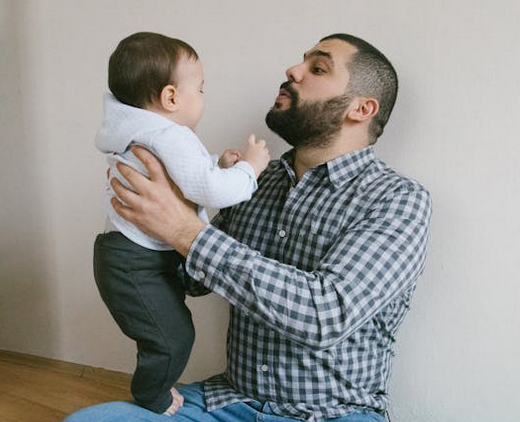
PLoS ONE 19(8): e0307020. https://doi.org/10.1371/journal.pone.0307020. Image credit: Meruyert Gonullu via pexels (free to use)
- Log in to post comments