










































Capacity Building Programme for African Press Officers Working in Health and Science
This SciDev.net project aimed to improve the quantity and quality of media coverage relating to African science, particularly in the medical field, by providing targeted training, networking, and resources for press officers from African research institutes. It centred on a capacity-building workshop and a networking event organised to coincide with the 7th World Conference of Science Journalists (WCSJ) held in Doha, Qatar, in June 2011. The outcomes of the meeting were used to create a best practise guide - "A Guide for African Science Media Officers" - for African science/health press officers, which has been broadly disseminated. In addition, African press officers are providing mutual support for each other, and an online discussion group was established for this purpose.
As part of this media development initiative, the Wellcome Trust offered bursaries to 11 press officers to attend not just the conference but also the rest of the WCSJ. Over 80 applications were received; the winners were decided by the organising committee using the criteria of the potential impact of science/health developments at the candidate's place of work and the training needs of the individual.
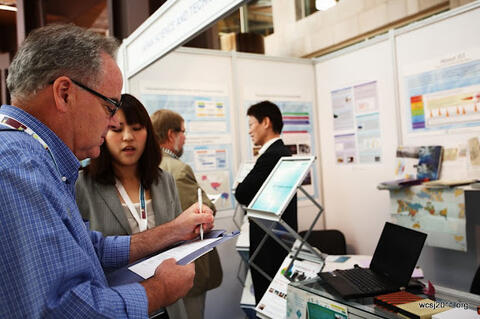
WCSJ's morning session included talks and question and answer sessions, first with a panel of journalists and then with a panel of press officers. The afternoon session involved practical exercises such as one that invited participants to critically comment on a series of press releases. They then submitted their own releases for comment by an expert. This was followed by a role-play session, where participants had to develop a story from an institutional report and then pitch it to a journalist. During the lunch break of the workshop, the participants were invited to a networking lunch with African journalists. The day finished with a discussion on current challenges for African press officers and how they might be better supported in future.
An African science communicator was contracted to write up the outcomes of the meeting as a best practise guide for African science/health press officers. The guide outlines the role of a media officer and offers practical advice on how to: promote research responsibly; source newsworthy stories and write successful press releases; pitch stories to print, radio, and television journalists; use new platforms including social media to promote research; manage working with journals, agencies, and freelancers; organise events such as press briefings; and prepare scientists for speaking to the media. It concludes with three case-studies highlighting challenges through the experience of media professionals working in Kenya. [See Related Summaries below for access to this guide.]
Three of the session's bursary winners went on to create an online Google discussion group for African science and health media officers. In this way, African press officers will be encouraged to provide ongoing mutual support for each other. At the time of writing, this group had 36 members. They have also set up an associated Facebook site.
Health, Science.
According to organisers, engagement with African science press officers during the project found them to be hampered - not only by a lack of training, but also by problems of institutional buy-in and professional isolation. It also found that there are some highly talented African press officers who have the potential to support and inspire their peers.
Funded by the Wellcome Trust.
Email from Clair Grant-Salmon to The Communication Initiative on September 18 2012. International Engagement Awards [PDF], Wellcome Trust. Image credit: WCSJ
- Log in to post comments