










































Casting a Finer Net: Involving Fishing Communities in HIV Research
Uganda Virus Research Institute (UVRI) -International AIDS Vaccine Initiative (IAVI) HIV Vaccine Program
This article focuses on HIV prevention strategies in Ugandan fishing communities along the shores and islands of Lake Victoria. As described here, with funding from the Wellcome Trust United Kingdom, a Uganda Virus Research Institute (UVRI) team is working with the International AIDS Vaccine Initiative (IAVI) in conjunction with the European and Developing Countries Clinical Trials Partnership (EDCTP)-funded research to field test a number of community engagement approaches to distribute information on HIV and sustain the interest of Lake Victoria fishing communities in HIV prevention research.
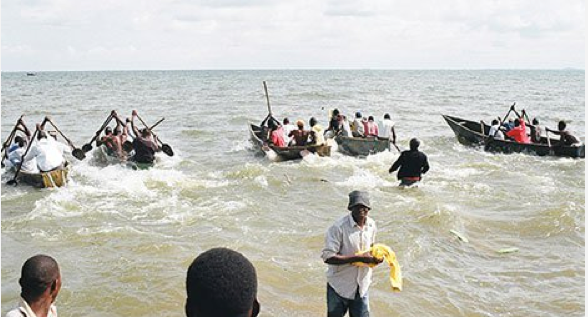
Data indicate that due to geographic isolation, low literacy levels, high mobility, general attitudes towards risk, and the near absence of a wide range of basic health services, 27.5 per cent of the population in this region is living with HIV, compared to a national average of 6.4 per cent. According to the article, in order to lower rates of HIV infection, "[e]ffective communication is obviously critical to community engagement. To help devise a successful communication strategy, the team first systematically analysed the social and behavioural patterns of the fishing communities and prevailing awareness about HIV. These studies revealed, among other things, that most people in the communities surveyed are unaware of existing HIV prevention options and, in any case, have very limited access to them. The research also suggested a handful of potentially effective communication strategies. In particular, the team concluded that it should harness sporting events (football, pool/billiard games and boat races) and other entertainment - such as music, dance and drama - to communicate HIV information and introduce communities to prevention research. In addition, the team decided to use community dialogues and information seminars to help spread the word about prevention research and ensure the accuracy of the message."
Examples of communication include:
- conveying the importance of voluntary HIV counselling and testing as an entry point to prevention through the performance of songs and poems composed by artists within the community. These messages are also integrated into commentaries during sponsored soccer matches and during interludes at other sporting events.
- educating people about available methods of HIV prevention: abstinence, effective condom use, monogamy or faithfulness, and medical male circumcision using strategic events to reach boat builders, fishermen, sex workers, community leaders, beach management units, and restaurant and lodge workers across the area.
From information seminars and community dialogues, researchers have gained insights, including a better understanding of the prevailing myths and misconceptions about HIV and HIV research and a clearer sense of the factors that affect the health of people living in fishing communities. These understandings are recognised as critical to their ability to address community expectations and needs in the conduct of their research. Their enhanced understanding of factors influencing behaviour, attitudes, and practices has been critical to the successful conduct of HIV education, the substance of HIV prevention messages, and the design of HIV research. Examples that have affected the prevention project design include: 1) fishing community residents perceive themselves to be at higher risk of accidental death than from HIV; and, conversely, 2) given the high prevalence of HIV, they may dispute the accuracy of a negative HIV test.
Researchers have also benefited from understanding social and behavioural characteristics which play an important role in developing strategies for sustaining public interest in message delivery. They found that, while print message delivery methods are not effective, HIV prevention messages are best delivered in relaxed settings and in entertaining ways.
"The initiative has also shed light on the expectations and needs that are likely to feed into any HIV research conducted in fishing communities. Such work cannot be efficiently conducted without ensuring access to basic health and HIV services for the community: marginalised communities asked to participate in such research often ask, "What is in it for us?" By establishing strategic partnerships with health care service providers, the team has supported the provision of such basic services and that has widened the reach of HIV prevention messages and the acceptance of HIV prevention research."
The article concludes by pointing out that engaging local leaders as entry points for outreach on public health initiatives, both education and research, is vital for community mobilisation and sustained community support.
Health Exchange - Summer 2010, June 23 2010.