










































Charting a New Course: Women Preventing Violent Extremism
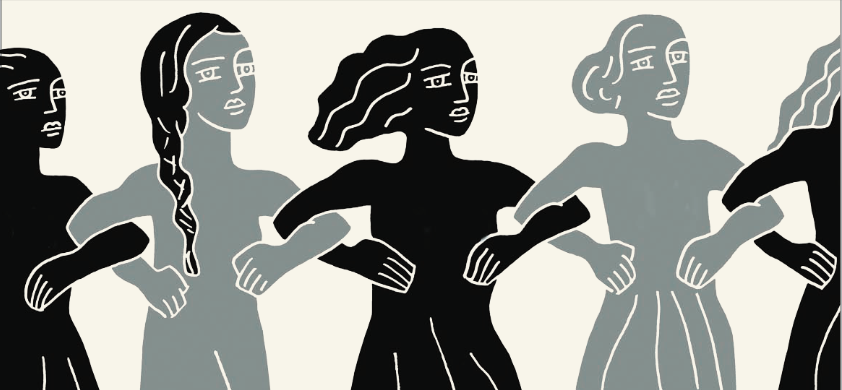
"A gender-aware countering violent extremism program recognizes the differential impacts of violent extremist messaging for women and men. It also seeks to analyze how traditional stereotypes, attitudes and behaviors affect women and men and how they may inadvertently encourage violent extremism."
This action kit from the United States Institute of Peace (USIP) is intended to foster discussions on key issues related to the role of women and preventing violent extremism, or PVE (terrorism). Intended for policymakers, practitioners, and academics who are interested in understanding "why gender matters" in PVE, the thought kit is a collection of experts' essays and practical exercises designed to help guide local activists and practitioners to engage in reflection and dialogue on violent extremism. In addition, USIP hopes to bring greater awareness to the diverse set of experiences that women and women's organisations are dealing with violent extremist ideologies.
As explained here, United Nations Security Council Resolution (UNSCR) 1325 (2000) provided strong support for greater attention to the role of women in international peace and security. It acknowledges the inordinate impact of violent conflict on women and recognises that women's empowerment and gender equality are critical to international peace and security. The UN Security Council fully recognises the critical link between the Women, Peace and Security agenda as laid out in UNSCR 1325 and the role women could and should play in PVE.
This document has three sections. Each section opens with a brief introductory background, followed by short essays by some of the leading experts in this field. Each section also includes practical exercises that may prove useful for training and further dialogue. The first section examines the question of gender and why it is important to consider both men and women, as well as the dynamics of gender roles in society when addressing violent extremism. The second section deals specifically with women and the underlying forces of extremist violence. It invites thinking about women as actors in preventative efforts as well as perpetrators of terrorist acts. Finally, the third section raises issues related to the various ways in which to engage communities, including members of the security sector.
Publishers
40
USIP website, July 26 2016.
- Log in to post comments