










































Data Collection Using Mobile Phones
According to issue 49 of ICT Update magazine on Livelihoods, information and communication technology (ICT) is being used more frequently by farmers and researchers to stay in touch with new strategies and trends in agriculture. This issue highlights an ICT application for mobile phone data collection.
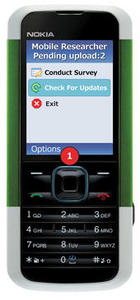
As stated here, "One solution is Mobile Researcher, a tiny application that can be installed on the mobile phones. The researcher then simply follows a step-by-step process to gather data, either by entering text numbers or by answering a series of questions designed to meet the specific needs of the project. The information can be sent instantly to the project office or securely stored on the mobile phone until the researcher is back within the range of a cellular network....To design a survey questionnaire and analyze the data, all that is required is a web browser, such as Internet Explorer or Mozilla Firefox, and an internet connection. A project team can design a survey on the web and send it to fieldworkers within minutes, almost anywhere in the world."
The application has a "pay-as-you-go" cost associated with its use and support for user set-up. Features include an online research console that can be tailored to the specifics of a project, linked to handsets sent out for field data collection, short message service (SMS) capability for contact with field workers, and data management capacity to view results from handsets immediately and export them to other reporting formats and to integrate them with other projects.
For more information see the Mobile Researcher website.
ICT Update, Issue 49, June 2009.
- Log in to post comments