











































The Effect of Education based on Planned Behavior Theory on Women's Knowledge and Attitudes about Human Papillomavirus
"[C]hanging the social norms and behavioral intentions of people requires structured and deep training."
Sexual health education plays an important role in increasing sexual health and well-being and ensuring that people have the necessary knowledge and skills to develop and maintain healthy relationships. Moreover, education can increase the demand for vaccination and other preventive health services. Conducted in Iran, this study aimed to determine the effect of an educational intervention based on planned behaviour theory on knowledge and attitude toward human papillomavirus (HPV) and HPV vaccination in women of reproductive age. This theory suggests that behaviour is determined by intentions, attitudes (beliefs about a behaviour), and subjective norms (beliefs about others' attitudes toward a behaviour).
The study was a single-blind, randomised clinical trial study with conducted in 2022 among women of reproductive age who were referred to comprehensive health centres in Shiraz, Iran. Eighty-three women who met inclusion criteria were randomly divided into an intervention and a control group. The data collection tool was the knowledge and attitude questionnaire about HPV and its vaccine, which was confirmed to be valid and reliable. Data analysis was performed with descriptive and analytic statistics at a significance level of P < 0.05.
Three training sessions of 30-45 minutes each were held weekly for the intervention group. The teaching method was face-to-face in 4 small groups, with 6-12 people in each group. The educational content of the first session included an explanation of the objectives of the research, completion of the pre-test, an explanation of the importance of preventing HPV infection and the ways of its transmission, and provision of an educational booklet containing important information related to HPV. The purpose of the second session was to answer participants' questions about the content presented in the first session, the complications of HPV infection, and its treatment methods. The third session focused on answering participants' questions about the content presented in the previous sessions, discussing the benefits of HPV vaccination, completing the post-test, and encouraging them to read the training booklet.
Both the intervention and control groups completed the post-test questionnaire immediately and three months after the intervention. The control group did not receive any training (except for the centre's routine training provided by the personnel working there). However, at the end of the study, to comply with ethical principles, a booklet containing educational materials was provided to the members of the control group who were willing.
The results showed that the educational intervention caused a significant increase in the components of knowledge, attitude, social norms, perceived behaviour control, and willingness to receive the HPV vaccine in the intervention group. (For data, see table 3 in the paper: "Comparison of the average score of the components of the planned behavior theory in relation to the human papilloma virus and its vaccine" and/or contact the first author: leilarafiei64@yahoo.com).
The researchers note that there was a low level of awareness, a negative attitude, and a low level of willingness of women to receive the HPV vaccine before the intervention. One of the main and serious obstacles to the low awareness and attitude of people about issues and sexual diseases such as HPV in Muslim countries, including Iran, is cultural and religious issues that prevent the education of such issues to people, especially girls, and women. Many socio-cultural and family restrictions regarding sexual and gender issues have created a culture of being conservative and taboo in talking about sexual issues and sexually transmitted diseases, such as HPV, and ignoring them. For this reason, the researchers conclude that it necessary for policymakers to pay attention to the design and implementation of intervention programmes with the cooperation of various sectors, including education, higher education, and the health system, to break taboos and promote sexual health in Islamic societies.
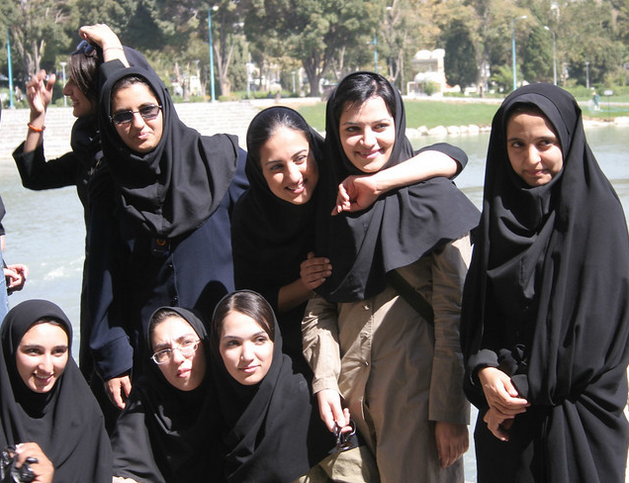
Scientific Reports | (2024) 14:18581 | https://doi.org/10.1038/s41598-024-69340-4. Image credit: Terry Feuerborn via Flickr (CC BY-NC 2.0)
- Log in to post comments