











































Exploring Chatbot Contributions to Enhancing Vaccine Literacy and Uptake: A Scoping Review of the Literature
University of Florence (Cosma, Radi, Zanobini, Bonaccorsi, Lorini, Del Riccio); Central Tuscany Local Health Unit (Cattano)
"By capitalizing on the widespread use of messaging applications and their user-friendly nature, chatbots have the potential to efficiently disseminate accurate information, combat vaccine myths, promote vaccination campaigns, and, depending on their use, even facilitate the scheduling of vaccine appointments."
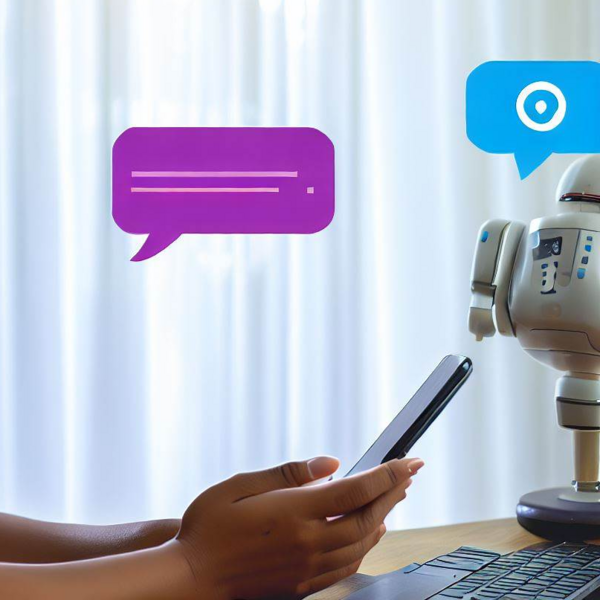
Chatbots are automated conversational agents that simulate human conversation using text or voice to interact with users in real time and provide information or support. They have increasingly been integrated across various sectors, including health care. This scoping review aims to systematically examine the role of chatbots (both rule based and artificial intelligence (AI)-driven) in enhancing vaccine literacy and facilitating the dissemination of vaccine-related information. It evaluates the potential of chatbots to transform vaccination communication strategies and improve health education outcomes.
The literature search encompassed various indexed sources of evidence, including MEDLINE, Embase, Scopus, and PsycInfo, as well as archives of specific journals of interest. All these databases were searched from inception until 30th October 2024, using keywords related to "chatbots" and "vaccination". A total of 22 studies published between 2020 and 2024 were finally included in this scoping review. Nearly all interventions described in the studies primarily focused on combating vaccine-related misinformation and assessing impacts on knowledge and vaccine acceptance by disseminating updated and accurate medical information. The interventions were conducted in different countries worldwide and involved diverse populations, indicating chatbots' adaptability. Key findings are summarised according to the research questions, below.
How are chatbots utilised to promote vaccination uptake and improve vaccine literacy?
Chatbots are reported to possibly support vaccine knowledge and attitudes through accurate information dissemination, which may help address vaccine hesitancy. Some chatbots also integrated a user experience rating function to gather feedback and adjust their responses, such as personalising content or refining the tone of the dialogue. Moreover, the ability to offer the user specific services (e.g., online chats with healthcare professionals for complex questions) was integrated in the services. Some chatbots have been programmed to respond competently and specifically to specific priority populations, such as children, through interactive sessions. Finally, a notable way in which chatbots disseminated accurate information was by deliberately expressing empathy and therefore using a language that more involved the emotional sphere.
What is the impact of chatbot interventions in disseminating accurate vaccination information and increasing individual, community, or population vaccine literacy?
Overall, studies indicate positive associations between chatbot use and improvements in vaccine-related knowledge, attitudes, and behaviours. Targeted interventions, such as a chatbot for childhood vaccination, demonstrated significant improvements in parental motivation (2.83 vs. 2.17, p < 0.05), self-efficacy (3.22 vs. 2.66, p < 0.05), and behavioural intention (4.22 vs. 2.69, p < 0.001) over 12 weeks. Tailored interventions and language-specific tools highlight the potential of chatbots to positively influence vaccination attitudes, decisions, and literacy across diverse populations.
What are the main barriers and challenges in the deployment and adoption of chatbots for vaccination-related purposes?
Despite these benefits, challenges remain, including disparities in access among low-income populations. Limited technological literacy, concerns about data accuracy, and privacy could hinder the adoption and usefulness of chatbots in providing timely vaccination information. Studies described technical and psychological challenges. Tone customisation is essential to avoid monotony, while future improvements include expanding chatbot characters, user customisation, adapting to emotional states, adding more languages, and exploring voice support. Other challenges concern the scarcity of available languages, the evaluation of the user experience, and the speed of the chatbot
Reflecting on the findings, the researchers note that, as more than two-thirds of the world's population has access to the internet, and this number is growing steadily, most people around the world can access information online and potentially use chatbots. Through interactive dialogues, chatbots deliver real-time advice (24 hours a day, 7 days a week), personalised reminders, and incentives, promoting a sense of empowerment among users. Chatbots can play a role in improving information accessibility by overcoming language barriers, thereby leveling health disparities by providing easily accessible health information. In fact, those chatbots that can converse in multiple languages are more likely to be adapted to various cultural contexts, ensuring some democratisation of health knowledge by making health information universally accessible. In so doing, chatbots can contribute to compensating for low individual, community, and population vaccine literacy and can constitute an opportunity to improve vaccine literacy.
Notably, the effective deployment of chatbots in public health, especially for vaccination advocacy, will necessitate vigilant oversight to prevent the spread of inaccurate medical information, reduce algorithmic biases, combat infodemics, and protect user privacy.
In conclusion, the "results suggest that chatbots could be a valuable tool for establishing an environment that supports individuals in navigating, comprehending, and use vaccine information and services to form judgments and decisions regarding vaccinations. The findings highlight the potential of chatbots as useful tools in public health communication, despite the need for further research to address remaining gaps and enhance the application of chatbot interventions in the healthcare landscape."
Vaccine, Volume 44, 12 January 2025, 126559. https://doi.org/10.1016/j.vaccine.2024.126559. Image credit: Wikimedia (CC BY-SA 4.0)
- Log in to post comments