










































Food Insecurity and Nutrition Situation
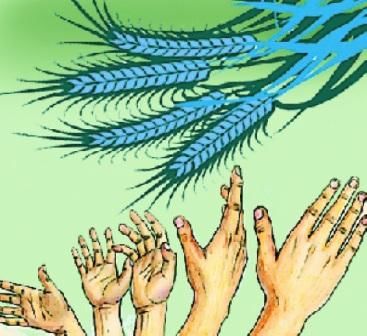
Author Rana Tassawar Ali, posted February 21 2014, cross-posted March 6 2014: Food insecurity is one of the most serious threats facing vulnerable people in Pakistan. The overall food insecurity and hunger situation in the country is very serious, 58 percent of households are food insecure. This includes all households with food insecurity, as well as those with severe hunger. It is a fact that nearly half of all children in Pakistan are malnourished. In Pakistan, this ongoing condition affects our children’s physical and mental growth, and this situation is worse than in much of sub-Saharan Africa.
The current crisis in Pakistan has an estimated cost to the economy of 3 percent GDP [gross domestic product] per year due to the impact of the nutrition situation on learning, earning and health. The good practices show that if nutrition is improved, growth of the GDP is improved. Pakistan is currently facing multi-sectorial challenges of: a low level of economic growth and an ongoing war on terror, corruption, and poor understanding of the issue of food security.
In a country like Pakistan, almost 14 percent of girls are married by age 15 and more than half are married by age of 18. The evidence shows that early marriage is a lead reason for under-nutrition in two ways: first, the health and nutrition status of these adolescent girls and young women themselves shows under-nourishment. The resulting risks increase their chances of giving birth to underweight children.
According to experts we must analyse existing solutions to tackle these challenges; and, if the government implements only the health sector intervention for addressing malnutrition, the rate of stunting (chronic malnutrition) will be reduced. The experts are also agreed that the government should implement a comprehensive and integrated approach through linking other sectors, such as social protection, water and sanitation, agriculture, and education, so that they play their part for improving food insecurity and the nutritional situation. On another side, serious commitments are required from leadership to plan and implement multi-sectorial interventions.
Using another strategy, if less than one-third of pregnant mothers receive the recommended vitamins and minerals in pregnancy, it will improve the health status of pregnant women; and, if the government understands and addresses the needs of specific groups that are at risk, it will provide immediate results.
Food insecurity and malnutrition are most serious public health problems; and, for prevention and correction, malnutrition requires targeted treatment of severely malnourished children and communities. The addressing of overall problems regarding food insecurity and malnutrition situation requires an investment in this sector; and, after decentralization, the provincial governments must design and implement integrated strategies for an effective multi-sectorial package for high impact intervention to scale up nutrition in the country. This is a fact: that addressing malnutrition and food insecurity issues is the best investment for Pakistan, where families will be healthier, wealthier, and better educated.
Click here to read the original blog in the Pakistan Observer.
- Log in to post comments