










































A Global Communication Strategy Development Guide for Maternal, Newborn, and Child Health Programs
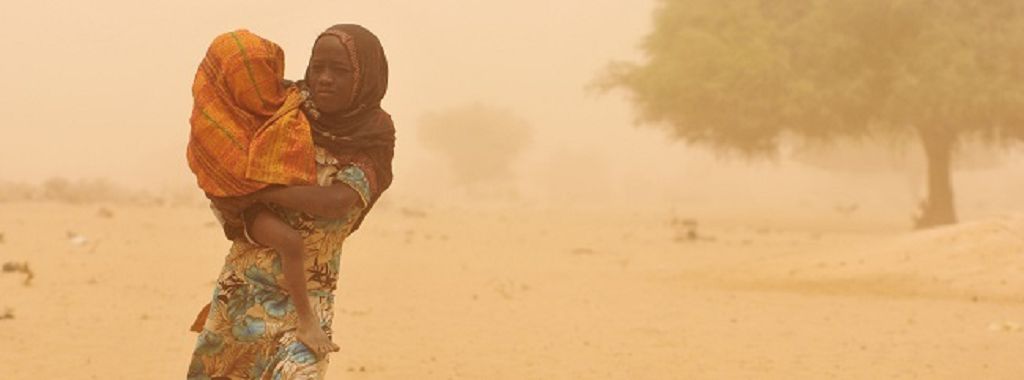
This step-by-step toolkit is an effort - via evidence-based, practical guidance - to support maternal, newborn, and child health (MNCH) programme managers, programme planners, and communication specialists as they conceptualise, implement, and assess their programmes. From the United Nations Children's Fund (UNICEF)'s communication for development (C4D) section, the guide consists of modules that address the various steps in developing a C4D strategy, with an example of how to develop a strategy specifically for MNCH programmes.
The guide incorporates United Nations (UN) core programming principles - for example, results-based management (an approach to measuring programme outputs, outcomes, and impacts that are Millennium Development Goal (MDG)-related priorities) - and is aligned with the UNICEF Strategic Plan 2014-2017 that refocuses on equity for children's rights. This quest aims to accelerate efforts to achieve the MDGs and strengthen institutional capacities. "The Guide will be an open-access document available to all UNICEF offices, partner agencies, and other interested organizations or individuals....The Guide is intended to be a living document that can be revised using feedback and inputs from users."
The 5 results (outcomes) areas highlighted for MNCH C4D strategic planning include: health; HIV and AIDS; water, sanitation, and hygiene; nutrition; and social inclusion. Five cross cutting areas address using C4D are included in this Guide as they related to MNCH: gender; human rights; disability; adolescents; and stigma and discrimination.
Specifically,
- Module 1 provides a description of (1) the Social Ecological Model (SEM), which is a framework for understanding the multiple levels (from Table 1: Individual, Interpersonal, Community, Organizational, Policy/Enabling Environment) of a social system and interactions between individuals and environment within this system, and (2) a model of the C4D approach (C4D approaches and tools facilitate dialogues between those who have rights to claim and those who have the power to realize these rights - UNICEF C4D Position Paper). "Figure 2 shows the communication strategies that make up the C4D approach: (1) Behavior change communication (BCC); (2) social mobilization (including strengthening an enabling media and communication environment); (3) social change communication; and (4) advocacy. These strategies correspond to specific levels of the SEM where they are most effective." It also discusses the importance of identifying and incorporating social norms into programme planning.
- Module 2 presents the five steps in developing a C4D strategy for health behaviour and social change programmes and discusses the application of the Monitoring for Equity Systems (MoRES) Framework. Steps are: Data Collection and Analysis, Strategic, Design, Development and Testing of Messages and Materials, Implementation and Monitoring, and Evaluation and Re-Planning
- Module 3 illustrates the steps in developing a C4D strategy specifically for MNCH programmes. It includes considerations for a sector-wide approach and then detailed steps for planning strategic C4D programmes to "Prevent Maternal, Newborn and Child Mortality and Morbidity".
Each module can be accessed as a downloadable document; in addition, each module contains hyperlinks that connect the user to supplemental documents that provide further explanation and/or examples of the concepts described in that module.
Publishers
UNICEF website, accessed September 23 2014. Image credit/caption: © UNICEF/NYHQ2010-1163/Gangale. "Chad: A girl carries her baby sibling to be screened for malnutrition at a mobile outpatient centre for children."