










































Human-Centered Design Toolkit
Image
SummaryText
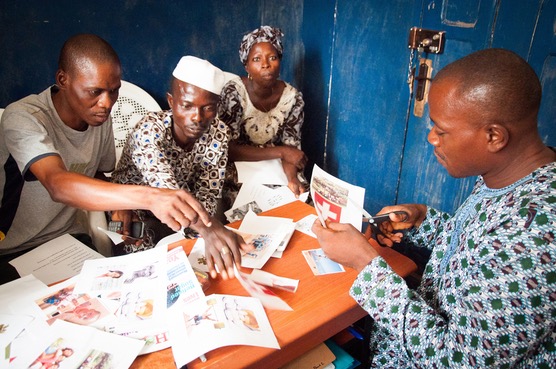
This toolkit, originally published in 2009, introduces users to the human-centred design (HCD) process and supports them in activities such as building listening skills, running workshops, and implementing ideas. The HCD process is focused on helping its users "hear the needs of constituents in new ways, create innovative solutions to meet these needs, and deliver solutions with financial sustainability in mind." It offers techniques, methods, tips, and worksheets to guide the user through a process that is designed to "give... voice to communities and allow... their desires to guide the creation and implementation of solutions."
The HCD Toolkit was designed specifically for non-governmental organisations (NGOs) and social enterprises that work with economically poor communities in Africa, Asia, and Latin America. The process uses the lenses of desirability, feasibility, and viability in a 3-phase process: hear, create, and deliver. The toolkit reviews best practices and includes 4 scenarios of use. It provides sections on each phase of the process, with case studies and facilitator notes. Its creation, funded by the Bill and Melinda Gates Foundation, brought together: IDEO, International Development Enterprises (IDE), Heifer International, and the International Center for Research on Women (ICRW).
The HCD toolkit has been used by organisations in the developing world, including Acumen Fund, AyurVAID, Heifer International, ICRW, IDE, Micro Drip, and VisionSpring.
Editor's note, June 2017: In April 2015, IDEO.org launched an evolution of the HCD toolkit called the Field Guide to Human-Centered Design. The 192-page book includes 57 design methods, the key mindsets that underpin how and why IDEO.org believes design can change lives, a full slate of worksheets, and case studies from projects that show human-centred design in action. The original HCD toolkit is no longer available, but visit the URL below to learn more about the Field Guide (available for purchase in hard copy or as a free PDF after registration) and other resources.
The HCD Toolkit was designed specifically for non-governmental organisations (NGOs) and social enterprises that work with economically poor communities in Africa, Asia, and Latin America. The process uses the lenses of desirability, feasibility, and viability in a 3-phase process: hear, create, and deliver. The toolkit reviews best practices and includes 4 scenarios of use. It provides sections on each phase of the process, with case studies and facilitator notes. Its creation, funded by the Bill and Melinda Gates Foundation, brought together: IDEO, International Development Enterprises (IDE), Heifer International, and the International Center for Research on Women (ICRW).
The HCD toolkit has been used by organisations in the developing world, including Acumen Fund, AyurVAID, Heifer International, ICRW, IDE, Micro Drip, and VisionSpring.
Editor's note, June 2017: In April 2015, IDEO.org launched an evolution of the HCD toolkit called the Field Guide to Human-Centered Design. The 192-page book includes 57 design methods, the key mindsets that underpin how and why IDEO.org believes design can change lives, a full slate of worksheets, and case studies from projects that show human-centred design in action. The original HCD toolkit is no longer available, but visit the URL below to learn more about the Field Guide (available for purchase in hard copy or as a free PDF after registration) and other resources.
Publishers
Source
IDEO website, December 28 2010; email from Lindsey Zouein to The Communication Initiative on January 6 2011; and Design Kit website, June 13 2017.