
























Development action with informed and engaged societies
After nearly 28 years, The Communication Initiative (The CI) Global is entering a new chapter. Following a period of transition, the global website has been transferred to the University of the Witwatersrand (Wits) in South Africa, where it will be administered by the Social and Behaviour Change Communication Division. Wits' commitment to social change and justice makes it a trusted steward for The CI's legacy and future.
 
Co-founder Victoria Martin is pleased to see this work continue under Wits' leadership. Victoria knows that co-founder Warren Feek (1953–2024) would have felt deep pride in The CI Global's Africa-led direction.
 
We honour the team and partners who sustained The CI for decades. Meanwhile, La Iniciativa de Comunicación (CILA) continues independently at lainiciativadecomunicacion.com and is linked with The CI Global site.
Time to read
1 minute
Read so far

Imagine No Malaria

0 comments
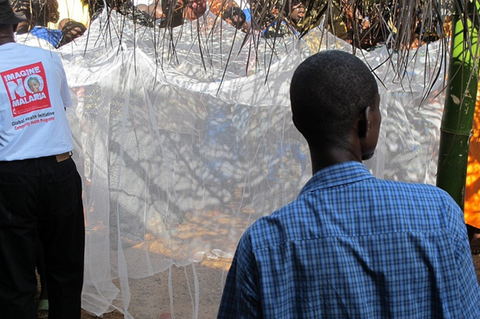
Imagine No Malaria is an initiative of the United Methodist Church that works with families in Africa to prevent malaria and malaria deaths. The organisation supports bed net distribution through the non-profit organisation Nothing But Nets, complemented by working to empower communities by raising awareness of prevention and treatment, as well as providing infrastructure.
Communication Strategies

The organisation works in four key areas.

The Imagine No Malaria approach is divided into four parts: prevention; treatment; education; and communications.

  • Prevention - Imagine No Malaria works to prevent malaria outbreaks by encouraging the use of bed nets, draining standing water, and improving sanitation. The organisation also works to improve infrastructure for malaria treatment, in particular by ensuring existing facilities such as schools, hospitals, churches, and clinics have the necessary diagnostic tests and treatments.
  • Treatment - Imagine No Malaria works to educate communities by training local people to teach their communities about avoiding malaria. For example, in Sierra Leone, these workers went door-to-door to deliver bed nets, install them in homes and teach people how to properly use and care for them.
  • Education - Through community outreach the initiative trains trainers who teach their communities about avoiding malaria. In Sierra Leone, these workers went door-to-door to deliver bed nets, install them in homes, and teach people how to properly use and care for them.
  • Communications - The organisation is also helping to upgrade communications networks throughout Africa by building new radio stations and providing hand-crank and solar-powered radios.
  • The campaign encourages young people from all over the world to raise awareness and support for malaria prevention through simple events such as lemonade stands, sleepouts under mosquito nets, gathering change, planning community service projects, and creating skits or plays. For each activity, the website provides tips and instructions for implementation.

    Organisers also provide similar tools and examples for churches wishing to raise money and awareness for malaria prevention. These include hosting a special church service, incorporating malaria awareness into Sunday school lessons, planning a special dinner, as well as other events such as golf tournaments or fun runs.

    The Imagine No Malaria website provides a number of resources including brochures, posters, presentations, activity ideas, and church resources. It also includes a number of short videos that provide information about malaria, as well as personal stories from malaria survivors.

    Development Issues

    Malaria

    Key Points

    According to the Imagine No Malaria website, globally malaria kills a child every 45 seconds and 90% of malaria’s victims are under the age of 5.

    Sources