










































Immunization in Practice Module 7: Partnering with Communities
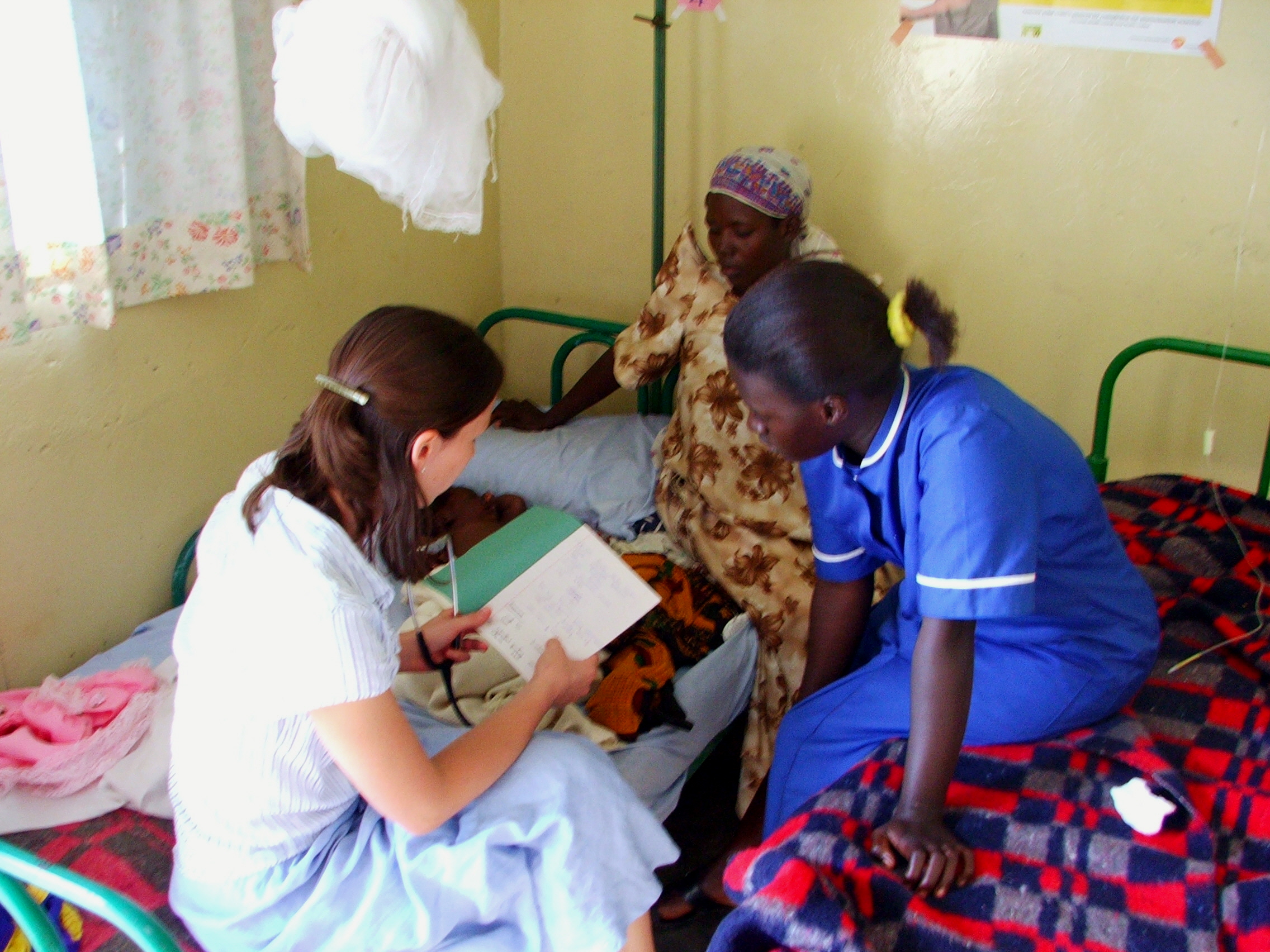
"Partnering with communities for immunization refers to supportive, coordinated action that can be taken by health workers and community members towards achieving their shared goal of providing accessible, reliable and friendly services that are used appropriately by all. It is based on the principle that when communities are involved in planning, providing and evaluating services, they will develop stronger trust and ownership of those services."
This module, updated in 2014, is part of a pack of 8 modules on immunisation developed by the World Health Organization (WHO). With the goal of motivating health workers to partner with communities and improve access to and utilisation of immunisation services, it builds on previous modules - and see Related Summaries, below - to support health staff and communities as they work together to plan, provide services, promote these services, improve service quality, track eligible children, and address resistance to immunisation.
Following an overview of the module, contents include:
- Introduction
- Definition of partnering
- Benefits of partnering with communities
- Get started
- Learn about the community
- Decide with whom to talk
- Ask more questions
- Choose methods for information gathering
- Plan services with communities
- Invite participation in microplanning
- Define respective responsibilities
- Make arrangements to inform all community members
- Involve communities in monitoring and surveillance
- Track children and their immunisation status
- Report diseases
- Exchange monitoring and surveillance information with communities
- Inform and engage community members
- Inform caregivers
- Engage community members in communication roles
- Engage traditional and religious leaders
- Engage schools and other potential collaborators
- Engage the media
- Address resistant groups
- Understand reasons for resistance
- Respond to resistance
Annexes focus on: (i) community meetings: "In addition to involving community leaders, volunteers and others regularly, health centre staff should meet at least once a year with as many catchment area communities as possible. Work with local leaders to invite everyone with an interest in child health and to ensure that women and religious and ethnic minorities attend. The purpose of these meetings is to exchange information. This includes providing updates on the immunization programme and the importance of using its services, ask for honest feedback and suggestions, and invite any questions or concerns about immunization. Discuss ways to strengthen partnering for immunization...." and (ii) non-governmental organisation (NGO) involvement in immunisation - a checklist is provided.
17
Email from Mike Favin to The Communication Initiative on February 23 2015. Image credit: Suubi Medical Centre