










































Journalism in the Age of Pandemics 2.0: Newsroom Guide
Image
SummaryText
"A lot of lessons have been learned from three years of covering a global pandemic....One clear development is that misinformation and disinformation now have an even greater opportunity to infiltrate all types of journalism and news output."
This newsroom guide builds on work in the three years since the start of the COVID-19 pandemic and focuses on the continuing problems of mis- and disinformation. In the context of the challenges faced by journalists and editors on the front lines of health reporting, it offers guidance on news gathering, storytelling, solutions journalism, and innovation. The guide was developed on behalf of the Temasek Foundation WAN-IFRA Journalism Programme run by the World Association of News Publishers.
As WAN-IFRA explains, "Ongoing waves of COVID-19 continue to expose shortcomings in already disrupted and resource-strapped newsrooms. Journalists face ever sophisticated mis- and disinformation around health issues, and audiences that are bored with the story and increasingly disengaged. With the risk of future global public health emergencies high, newsrooms need to expand their capacity to make sense of science related content - and ensure it remains engaging for their audiences."
This is the second volume of the Journalism in the Age of Pandemics handbook. It builds on the first guide, published in 2021, drawing fresh insights from training conducted in the Asia-Pacific region in 2022 (see Related Summaries, below, for the first handbook).
The guide includes the following sections:
This newsroom guide builds on work in the three years since the start of the COVID-19 pandemic and focuses on the continuing problems of mis- and disinformation. In the context of the challenges faced by journalists and editors on the front lines of health reporting, it offers guidance on news gathering, storytelling, solutions journalism, and innovation. The guide was developed on behalf of the Temasek Foundation WAN-IFRA Journalism Programme run by the World Association of News Publishers.
As WAN-IFRA explains, "Ongoing waves of COVID-19 continue to expose shortcomings in already disrupted and resource-strapped newsrooms. Journalists face ever sophisticated mis- and disinformation around health issues, and audiences that are bored with the story and increasingly disengaged. With the risk of future global public health emergencies high, newsrooms need to expand their capacity to make sense of science related content - and ensure it remains engaging for their audiences."
This is the second volume of the Journalism in the Age of Pandemics handbook. It builds on the first guide, published in 2021, drawing fresh insights from training conducted in the Asia-Pacific region in 2022 (see Related Summaries, below, for the first handbook).
The guide includes the following sections:
- Getting to the Truth - discusses the nature of misinformation and disinformation, as well as how to identify and address it as a journalist.
- Telling the Story - offers advanced storytelling techniques for science journalism and looks at how journalists can make science accessible, relatable, and engaging for the public. Tips on how to make effective visuals are provided.
- Finding Solutions - explores solutions journalism and how it relates to traditional journalism.
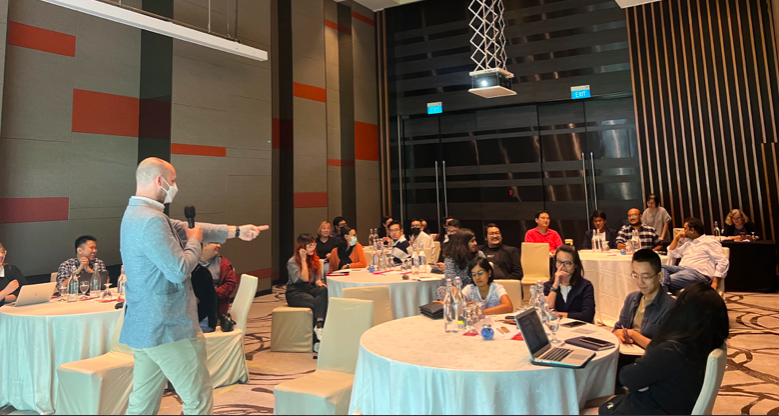
- Frontline Insights - shares the insights, challenges, and solutions of a group of journalists and editors from Asia who attended Science in the Newsroom training in Singapore. The guide highlights some of their interventions, which could help global newsrooms. Some sample interventions are highlighted, involving an audience survey, a reporting checklist, and a resource list.
Publication Date
Number of Pages
34
Source
WAN-IFRA website on March 7 2023. Image credit: WAN-IFRA via Twitter
- Log in to post comments