










































Lessons Learned from National Initiatives to End Child Marriage - 2016
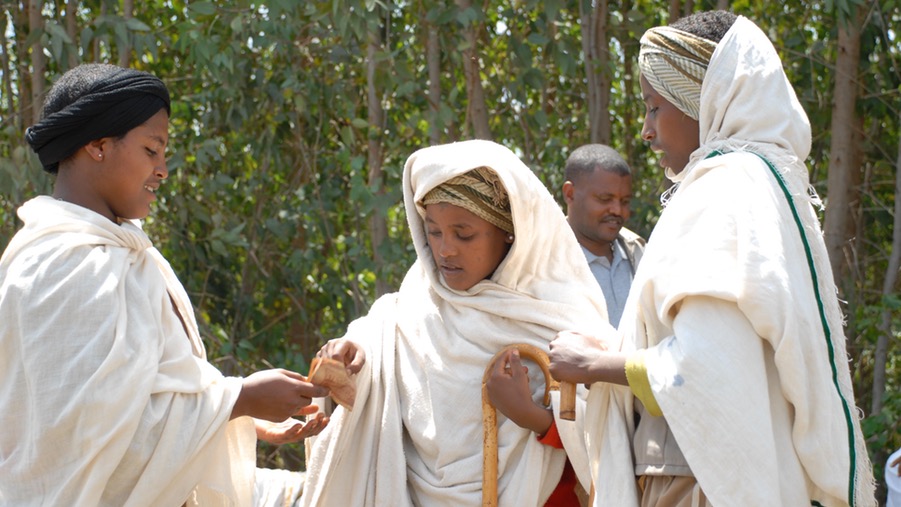
“In September 2015, 193 governments adopted target 5.3 of the Sustainable Development Goals to end child marriage by 2030. Since then, an ever increasing number of countries have begun to develop national initiatives to end child marriage, predominantly in Africa and South Asia.”
This report shares the lessons learned from national initiatives to end child marriage, particularly in relation to their implementation across sectors. The report considers the experiences in 11 countries: Bangladesh, Burkina Faso, Chad, Egypt, Ethiopia, Ghana, Mozambique, Nepal, Uganda, Zambia, and Zimbabwe. Published by Girls Not Brides, it is hoped that the lessons learned will be useful to other countries considering similar national initiatives, in particular Girls Not Brides members in countries where (i) a national initiatives is still in development, (ii) is about to be rolled out, or (iii) is currently being implemented.
The report starts by briefly outlining key terminology used, followed by a discussion of the research methodology used for the report, which involved: a desk review of national initiatives; interviews with key informants; analysis and documentation of lessons learned and challenges identified across country experiences by the Girls Not Brides secretariat; and a discussion on emerging lessons learned and recommendations at a meeting of Girls Not Brides National Partnership representatives in November 2016.
It provides an overview of national initiatives analysed (offering more detail in the appendix), and then gives a brief summary of similar research conducted in 2015, which informed “A check-list for national strategies to end child marriage”, and formed the basis on which the 2016 lessons learned are built. While the 2015 report focused predominantly on strategy development processes, as Girls Not Brides wanted to understand why national initiatives were emerging and what the motivations were for their development; this report has a sharper focus on the question of how to move towards implementing a national initiative across sectors. Case studies are used throughout the report to give concrete examples of approaches used in different countries.
The lessons learned as as follows:
Lesson 1: Sustained government leadership and political will are essential to ensure national initiatives keep moving forward - Political will should, for example, result in an inclusive and participatory process to ensure the acceptance and ownership of the national initiative by all stakeholders; as well as ensure that all relevant line ministries actively participate in the process to ensure a multi-sectoral approach to child marriage. Findings showed, that in most countries the Ministry of Women, Children, Social Welfare or the equivalent were the designated lead ministry which often had large mandates but little capacity. In this case the central government (the Head of Government or the Cabinet) can play a critical role in demonstrating public commitment to ending child marriage. This then gives the lead ministry the mandate and political clout to be able to influence other ministries to take action on child marriage in their own sectoral plans and policies. In addition, experiences showed that to overcome political stalemates at national level (related to natural disasters, elections or judicial process), NGOs focused their efforts on working with local government to address child marriage at the district and community levels.
Lesson 2: Governments need to strengthen their capacity to coordinate work across sectors; to communicate clearly about what is happening and to allocate budget to address child marriage - Coordination across sectors was raised repeatedly as a challenge in the implementation of national initiatives. There is general consensus that better coordination, collaboration and communication are needed to build alignment between diverse stakeholders about what needs to be done to end child marriage. However, there is still a large gap in terms of how to best coordinate among multiple actors and sectors effectively. The report highlights the importance of a functioning coordination mechanism led by the government to implement the national initiative, and the importance of good communication and ways of sharing information with multiple actors. It cites an example from Ghana where the lead ministry used social media to communicate and share updates on efforts to tackle child marriage in Ghana. The report also highlights the importance of communication on national-level developments to sub-national and community level, as this ensures that people working at district and community levels are aware of the initiative and know how they can contribute. For example, in Uganda the government shared the national strategy to end children marriage through a number of regional and district meetings, to provide space for dialogue and build consensus and support. Experiences from the 11 countries also highlighted the need to accurately cost and ensure sufficient budget allocation for the implementation of national initiatives.
Lesson 3: Civil society has a vital role to play in the design and implementation of national initiatives and holding governments accountable to their commitments - A point that emerged strongly from interviews is the increasing role of civil society in holding governments to account for implementing national initiatives as well as their international and regional commitments to address child marriage. For example, in some countries, Girls Not Brides National Partnerships and other civil society networks have been instrumental in catalysing government action on child marriage through their collective advocacy. They are also vital partners in the development and implementation of national strategies and action plans.
Lesson 4: Dedicated national initiatives help with agenda-setting and coherence but care should be taken to ensure child marriage is not then seen as a “standalone” issue rather than the multi-sectoral issue it is - The major added value of dedicated national initiatives to address child marriage is their potential to help set the agenda for a holistic and comprehensive response to child marriage in a country and bring coherence to the many different efforts addressing it. However, a risk of creating dedicated initiatives on child marriage is to see child marriage as an isolated issue. It is important to keep in mind the multi-faceted nature of child marriage and the multi-actor nature of the response.
The report includes recommendations which emerged after discussions with key informants and representatives of Girls Not Brides National Partnerships. The recommendations relate principally to the roles of different actors in implementing national initiatives to address child marriage. To mention just a few (with a focus on those with relevance to communication), the report recommends that:
Central Government can:
- Demonstrate commitment to the issue at the highest political level by providing strong leadership and prioritising addressing child marriage in the political agenda.
Lead ministries can:
- Create and maintain a functioning mechanism to coordinate development and implementation of the national initiative across ministries and with relevant stakeholders.
- Ensure there is a way to share information about the government’s work widely and in a timely manner to all stakeholders.
- Lead strategic planning to ensure a multi-sectoral, inclusive and participatory approach to child marriage.
- Mobilise and facilitate the meaningful participation of all stakeholders in national initiative processes and consultations at all levels.
Civil society can:
- Collectively advocate to ensure that civil society perspectives are reflected in planning and implementation of national initiatives and hold governments accountable to their commitments.
- Build the case for change in the country and support the national initiative by raising public awareness of the issue
- Amplify the voices of girls and communities to ensure a nuanced understanding of child marriage at community levels informs the design of policies and programmes implemented as part of the national initiative.
- Ensure young people are included meaningfully in all parts of the process.
UN agencies, donors, and other development partners can:
- Ensure a strong evidence base informs the national initiative.
- Assist governments in documenting national level processes and learning on child marriage that can be shared with others working to address child marriage - nationally, regionally and internationally.
Girls Not Brides website on April 24 2017.
- Log in to post comments