










































Medicine Tracking System (mTrac)
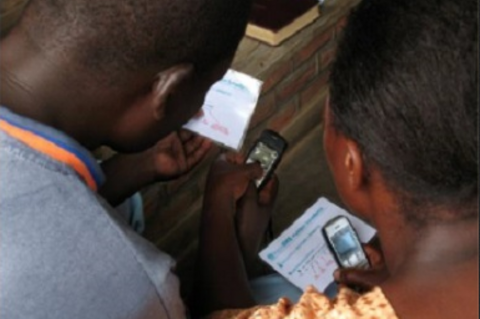
Launched in December 2011, the Ugandan Medicine Tracking System (mTrac) is a nationwide SMS (text message)-based disease surveillance system seeking to address problems of stock-outs of lifesaving malaria medicine, such as artemisinin-combination therapies (ACTs). The campaign was developed by the Ministry of Health (MoH) and is being supported by the United Kingdom Department for International Development (DFID), in partnership with the United Nations Children's Fund (UNICEF) and the World Health Organisation (WHO).
The initiative uses SMS to transmit weekly Health Management Information System (HMIS) surveillance reports from nearly 5,000 health facilities and 8,000 medicine-distributing village health workers in Uganda. The data is automatically analysed by a central server, with the data validated and disseminated through an internet-based dashboard and via SMS alerts, providing the Ministry of Health and District Health Offices with timely, accurate figures with which to plan and monitor programmes and medicines. mTrac data is incorporated into the MoH's Surveillance Unit's weekly news bulletin and reports of drug stock-outs, and is being integrated into the national DHIS2 database.
The second component of mTrac is an anonymous SMS Service Delivery Complaints toll-free hotline through which any community member can report health service-related issues, including health centres closed during working hours and stock outs of essential drugs in hospitals. Currently, more than 10 million mobile subscribers are capable of engaging with the government in the monitoring of health services through mTrac using free SMS messages. It is a service that is gaining popularity among low-income families that do not have access to computers but own phones.
Supporting mTrac is a UNICEF-led initiative called U-Report that engages Ugandan citizens in monitoring the quality of services at the community level while engaging them in routine dialogue around development issues. UNICEF has partnered with Parliament, who engage directly with U-Reporters in their constituencies, answering their questions and responding to their concerns.
Malaria
According to mTrac, data currently shows that stock-outs of artemisinin-combination therapies (ACTs) decreased from 25.2% at the start of the initiative to 13.8% in mid-November 2012. District Health Offices are now using this data to shift medicines from overstocked to understocked facilities and to lobby the National Medical Stores (NMS) for resupply based on their ability to present reliable and timely data.
mTrac involves over 15,000 health sector professionals using the system, with national coverage expected to be achieved by March 2013. mTrac was used to sensitise health workers during the Ebola outbreaks, as well as to identify from community members possible new locations of the diseases' spread.
Ministry of Health (MoH), Uganda, United Kingdom Department for International Development (DFID), United Nations Children's Fund (UNICEF), and World Health Organisation (WHO).
Email from Davis Musinguzi on March 1 2013; and mTrac is Changing the Face of Health Operations in Uganda [PDF] on March 12 2013.
- Log in to post comments