










































Moving Toward Children as Partners in Child Protection in COVID-19 Guide: From Participation to Partnerships
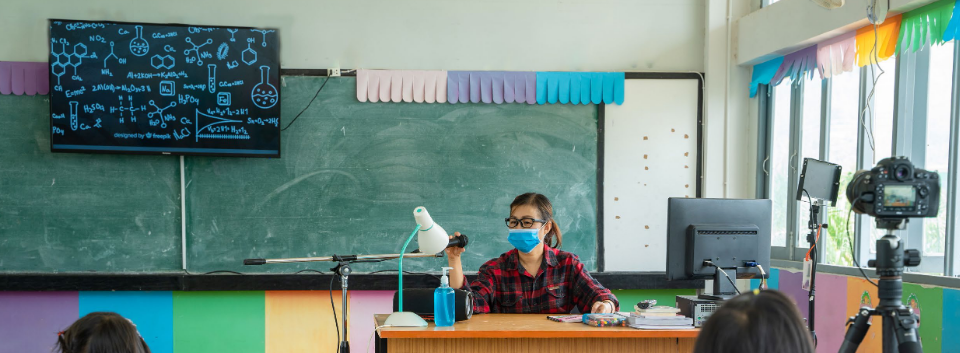
"How is it best for adult-led organizations to reach out to children? Who should do so, and how can they do so safely?"
COVID-19-related quarantine measures and school closures have impacted children and youth worldwide in myriad ways. Child-focused organisations seeking to communicate with children during the pandemic have been tasked with adapting their methods of hearing children's voices and ensuring children's participation to virtual and physically distanced realities. Despite these challenges, children around the world have found meaningful, creative ways to work closely with their adult allies to support and protect their peers, families, and communities. These child-adult partnerships are the inspiration for this guide, which is accompanied by a webinar, various materials, and videos. Taken together, the resources present tips, tools, and ideas for engaging with children and fostering their leadership in response to the COVID-19 pandemic and in planning for future crises.
Designed for humanitarian actors, national and international organisations, and other development actors, the guide consists of 5 separate modules, which can be accessed individually or as part of the complete document. Throughout the guide, readers will find spotlights of programmes designed or adapted for the COVID-19 context and suggestions for further reading.
- Module 1: Adapting Participatory Tools during COVID-19 includes: (i) a decision tree to help guide decisions regarding meeting face-to-face or virtually, (ii) 2 tip sheets that cover how to adapt existing participatory tools for the COVID-19 context and how to ensure adaptations reflect age, gender, disability, and diversity, and (iii) a list of key questions to consider when adapting participatory tools.
- Module 2: Rapid Engagement of Children in COVID-19 includes: (i) quick tools that can be used to speak with children in settings where the pandemic prevents more in-depth engagement, and (ii) quick tools for setting up and maintaining a safe space during group activities.
- Module 3: Ethics and Safeguarding during COVID-19 includes: (i) a tip sheet on ethics and safeguarding during COVID-19, (ii) tools to safely involve children in assessing risks, and (iii)a consent checklist and sample consent forms.
- Module 4: Meaningful Child Participation in COVID-19 includes: (i) a tip sheet on working with children throughout the humanitarian programme life cycle phases and (ii) multiple tools for meaningfully engaging children, with adaptations for various stages of the pandemic.
- Module 5: Moving from Children as Participants to Children as Partners includes: (i) a tool for critical self and organisational reflection to assist in moving towards meaningful partnerships with children, (ii) background information on the importance of fostering leadership in children, and (iii) in-depth guidance for those organisations that would like to more profoundly centralise children's leadership in their organisations.
Accompanying this guide is a shared Dropbox folder of resources, guides, and ideas for child participation during COVID-19, as well as an annotated bibliography of over 100 resources that are a sample of the larger folder. Click here to access the folder.
Also available as part of this project is the video series Spotlight Series: Children as Leaders and Partners in COVID-19. The short videos, which are available with English, Arabic, French, and Spanish captions, shine a light on creative examples of child-led initiatives during COVID-19. Click here and scroll down to access them.
Finally, on September 29 2020, partners in the project held a webinar, Children's Voice: Maintaining and Adapting for Safe Child Participation during COVID-19 (available by clicking on the video below) to introduce the above resources and to explore ways in which children can be engaged as partners and leaders in child protection during the COVID-19 crisis; experiences on meaningfully engaging children were shared from the field. Click here to access the webinar recording (also below), the concept note, the event report, and detailed presentations from key speakers.
Publishers
80 (plus additional resources, both printed and video)
IFRC website; CPC Learning Network website; and CP AoR - all accessed on January 14 2021; and email from Vanessa Currie to The Communication Initiative on January 18 2021.
- Log in to post comments