










































No Newspapers Here: Information Needs Assessments Among Refugees and Host Communities in Ethiopia, Kenya and Tanzania
Date
Summary
"Information is key for any decision-making and problem-solving process. The unique situation of refugees and how their migration affects the host community significantly elevates their need for information."
This set of reports, published by Deutsche Welle (DW) Akademie, shares the results of information needs assessments conducted in refugee settings in three countries - Ethiopia, Kenya, and Tanzania. The assessments sought to understand the information needs of people affected by forced migration in the region and include information on communities' media sources, perceptions around the most trusted media, challenges around accessing media, and whether information needs are being met.
The studies form part of a media development project focusing on refugees and migration in Africa started by DW Akademie in 2019 and implemented with a variety of partners working in the area. The objective was to find ways to improve access to information for people affected by displacement, to provide channels for these people to express themselves, and to improve the dialogue between displaced communities and host communities. The project areas included Kakuma (Kenya), Gambella (Ethiopia), and Kagera and Kigoma (Tanzania).
The assessments were designed to answer the following questions:
Ethiopia
The findings from Ethiopia highlight the fact that over 80% of the respondents interviewed did not have enough information to make decisions. The assessment found that there were several barriers to accessing information in both the host and refugee communities. Overall, access to TV and radio was low across all demographics, which was the main contributing factor to low information access. The reasons ranged from inadequate infrastructure (including poor roads and lack of electricity) to lack of local media stations broadcasting in the local language and illiteracy issues, as well as low incomes (an impediment to purchasing TVs, radio sets, and mobile phones). The inability to read was reported as a hindrance in reading newspapers. Language was another barrier, as most media was available in Amharic, which was not the dominant language spoken and written in the refugee camps as well as the host community.
In the refugee camps, 70% of the respondents reported that the United Nations High Commissioner for Refugees (UNHCR) and the Agency for Refugee and Returnee Affairs (ARRA) were their main sources of information, while in the (urban) host community, TV was the most mentioned, at 36%. Community leaders played a crucial role in the dissemination of information within the refugee camps at 33%, but they had a negligible role in the host community. The incidence of mobile phone access was relatively high compared to TV and radio access in both the refugee camps and host community. However, despite high mobile phone ownership, only 18% of the respondents interviewed had access to the internet, partly due to poor connectivity in the region, especially in the rural areas and the refugee camps.
In reference to the most trusted source of information, 50% of the urban host community trusted TV the most, followed by people at 24%, while in the rural host community, people were the most trusted of information, at 33% followed by radio at 29%. In the refugee camps, the level of trust in ARRA was at 20%, followed closely by people at 18%. Compared to the host community, trust levels of various information sources for the refugees were generally lower. The most pressing information needs amongst the refugees were related to peace and security, at 72%. Children and youth reported they need information on the importance of education. The host community living in urban centres of Itang expressed their need for news on health care, followed by information about Gambella and updates on peace and security.
Recommendations include:
The study in Kenya found that inadequate information had a negative impact on the lives of refugee and host communities. For example, based on findings from focus group discussions, skilled youth failed to take advantage of available job opportunities, as they did not receive job adverts. Refugees contracted diseases caused by poor hygiene conditions because of inadequate information on health and hygiene. Insufficient information on how to obtain documents such as business permits inhibited the refugees and the hosts from setting up legal businesses, thus affecting their ability to engage in productive livelihoods. Moreover, based on key informants, conflicts occurred between the refugees and host communities - and sometimes within the refugee community. These conflicts emanated from different reasons such as the sharing of resources and open hostilities among ethnic groups and nationalities. Insufficient information could be attributed to different factors, including low literacy levels, a problem that was worse in rural areas. Language barriers were another factor.
People living in urban camps had more access to technologies that disseminate information than the rural community and refugees living in those communities. As a result, nearly 80% of those living in rural areas were getting information from other people. Overall, 29% of both refugees and host communities accessed information from the radio. Use of satellite/cable TV was low; however, films facilitated by non-governmental organisations (NGOs) had a significant audience of 40%. The internet as a source of information had a reach of only 20% which was mainly from urban areas.
FilmAid Kenya (FAK) was mentioned by refugees as the most trusted source of information. FAK disseminated information through loudspeakers, text messaging, and films. Inside the camps, information brought by FAK through loudspeakers was translated into different languages and was therefore accessible to a larger number of refugees. In general, the host community mostly trusted information from people.
Recommendations include:
Education and literacy levels were found to be low among both refugees and the host community. The main way to access information used by refugees and host community regions was the radio. Other channels used were face-to-face communication through humanitarian agencies' personnel, community/refugee leaders, televisions, loudspeakers, print media, and mobile phones or computers. Access to information through TVs was low (24%) in the area due to hindering factors such as affordability of TV sets and electricity. More host community members (44%) accessed information from TVs compared to only 10% of the refugees. In terms of print media's popularity in the area of study, only 12% read newspapers; these were mainly from the host community (only 1% of the refugees read newspapers). The main reasons why the majority did not read newspapers were unavailability of newspapers, the fact that the available ones were not in the respondents' language, unaffordability, and inablity to read.
Overall, 49% of the respondents had access to mobile phones, and the access was higher among host communities (58%) compared to refugees (38%). Low access was mainly associated with the lack of reliable income, which made mobile phones unaffordable to refugees.
Radio was the most trusted source of information due to the perception that radio stations communicated official and verified information. Overall, more than half the respondents felt they were able to make informed decisions based on the information they possessed. Despite this, 68% felt there was still information they needed to make better decisions for themselves and their families. The information required was mainly news, as well as information on peace and unity/human rights/security, education, and health.
Recommendations include:
Click here for the 64-page Kenya report in PDF format.
Click here for the 56-page Tanzania report in PDF format.
This set of reports, published by Deutsche Welle (DW) Akademie, shares the results of information needs assessments conducted in refugee settings in three countries - Ethiopia, Kenya, and Tanzania. The assessments sought to understand the information needs of people affected by forced migration in the region and include information on communities' media sources, perceptions around the most trusted media, challenges around accessing media, and whether information needs are being met.
The studies form part of a media development project focusing on refugees and migration in Africa started by DW Akademie in 2019 and implemented with a variety of partners working in the area. The objective was to find ways to improve access to information for people affected by displacement, to provide channels for these people to express themselves, and to improve the dialogue between displaced communities and host communities. The project areas included Kakuma (Kenya), Gambella (Ethiopia), and Kagera and Kigoma (Tanzania).
The assessments were designed to answer the following questions:
- How do the people in the different locations access information? Which languages do they use? What is their level of reading and writing skills?
- Which means (written, audio and video, etc.)/sources of information are available to them?
- Do people feel they have enough information to make informed decisions?
- What information do they require to make informed decisions?
- Which sources of information do they trust?
Ethiopia
The findings from Ethiopia highlight the fact that over 80% of the respondents interviewed did not have enough information to make decisions. The assessment found that there were several barriers to accessing information in both the host and refugee communities. Overall, access to TV and radio was low across all demographics, which was the main contributing factor to low information access. The reasons ranged from inadequate infrastructure (including poor roads and lack of electricity) to lack of local media stations broadcasting in the local language and illiteracy issues, as well as low incomes (an impediment to purchasing TVs, radio sets, and mobile phones). The inability to read was reported as a hindrance in reading newspapers. Language was another barrier, as most media was available in Amharic, which was not the dominant language spoken and written in the refugee camps as well as the host community.
In the refugee camps, 70% of the respondents reported that the United Nations High Commissioner for Refugees (UNHCR) and the Agency for Refugee and Returnee Affairs (ARRA) were their main sources of information, while in the (urban) host community, TV was the most mentioned, at 36%. Community leaders played a crucial role in the dissemination of information within the refugee camps at 33%, but they had a negligible role in the host community. The incidence of mobile phone access was relatively high compared to TV and radio access in both the refugee camps and host community. However, despite high mobile phone ownership, only 18% of the respondents interviewed had access to the internet, partly due to poor connectivity in the region, especially in the rural areas and the refugee camps.
In reference to the most trusted source of information, 50% of the urban host community trusted TV the most, followed by people at 24%, while in the rural host community, people were the most trusted of information, at 33% followed by radio at 29%. In the refugee camps, the level of trust in ARRA was at 20%, followed closely by people at 18%. Compared to the host community, trust levels of various information sources for the refugees were generally lower. The most pressing information needs amongst the refugees were related to peace and security, at 72%. Children and youth reported they need information on the importance of education. The host community living in urban centres of Itang expressed their need for news on health care, followed by information about Gambella and updates on peace and security.
Recommendations include:
- Localise all communication materials into relevant languages.
- Leverage existing community structures.
- Diversify channels for information sharing.
- Focus on information on peace and reconciliation.
- Implement youth mentorship programmes in the refugee camps.
The study in Kenya found that inadequate information had a negative impact on the lives of refugee and host communities. For example, based on findings from focus group discussions, skilled youth failed to take advantage of available job opportunities, as they did not receive job adverts. Refugees contracted diseases caused by poor hygiene conditions because of inadequate information on health and hygiene. Insufficient information on how to obtain documents such as business permits inhibited the refugees and the hosts from setting up legal businesses, thus affecting their ability to engage in productive livelihoods. Moreover, based on key informants, conflicts occurred between the refugees and host communities - and sometimes within the refugee community. These conflicts emanated from different reasons such as the sharing of resources and open hostilities among ethnic groups and nationalities. Insufficient information could be attributed to different factors, including low literacy levels, a problem that was worse in rural areas. Language barriers were another factor.
People living in urban camps had more access to technologies that disseminate information than the rural community and refugees living in those communities. As a result, nearly 80% of those living in rural areas were getting information from other people. Overall, 29% of both refugees and host communities accessed information from the radio. Use of satellite/cable TV was low; however, films facilitated by non-governmental organisations (NGOs) had a significant audience of 40%. The internet as a source of information had a reach of only 20% which was mainly from urban areas.
FilmAid Kenya (FAK) was mentioned by refugees as the most trusted source of information. FAK disseminated information through loudspeakers, text messaging, and films. Inside the camps, information brought by FAK through loudspeakers was translated into different languages and was therefore accessible to a larger number of refugees. In general, the host community mostly trusted information from people.
Recommendations include:
- Use audio and video as key communication channels to counter the low literacy levels.
- Develop a feedback mechanism.
- Provide radio to those communities far from town.
- Harness relationship between FAK, DWA, and others.
- Provide information on peace and reconciliation.
- Create content-based films/documentaries by DWA for broadcast to the community.
Education and literacy levels were found to be low among both refugees and the host community. The main way to access information used by refugees and host community regions was the radio. Other channels used were face-to-face communication through humanitarian agencies' personnel, community/refugee leaders, televisions, loudspeakers, print media, and mobile phones or computers. Access to information through TVs was low (24%) in the area due to hindering factors such as affordability of TV sets and electricity. More host community members (44%) accessed information from TVs compared to only 10% of the refugees. In terms of print media's popularity in the area of study, only 12% read newspapers; these were mainly from the host community (only 1% of the refugees read newspapers). The main reasons why the majority did not read newspapers were unavailability of newspapers, the fact that the available ones were not in the respondents' language, unaffordability, and inablity to read.
Overall, 49% of the respondents had access to mobile phones, and the access was higher among host communities (58%) compared to refugees (38%). Low access was mainly associated with the lack of reliable income, which made mobile phones unaffordable to refugees.
Radio was the most trusted source of information due to the perception that radio stations communicated official and verified information. Overall, more than half the respondents felt they were able to make informed decisions based on the information they possessed. Despite this, 68% felt there was still information they needed to make better decisions for themselves and their families. The information required was mainly news, as well as information on peace and unity/human rights/security, education, and health.
Recommendations include:
- Develop programmes that provide credible and reliable information on the gaps highlighted by communities in the research.
- Train and mentor youth from both the refugee and host community to be reporters or to contribute content for the programmes.
- Partner with Radio Kwizera and TBC Taifa (the two most listened to and trusted radio sources) to air the programmes, since radios are most accessible.
- Build capacity of staff from Radio Kwizera, TBC Taifa, and other radio stations operating within the area.
- Package the programme content in the three main languages (Kiswahili, Kirundi, and French), and pay attention to broadcast times.
- Support listenership groups by offering solar-powered radio sets to reach a bigger audience.
- Develop feedback mechanisms to ensure the programmes are up to date and tackling relevant issues in the area.
Click here for the 64-page Kenya report in PDF format.
Click here for the 56-page Tanzania report in PDF format.
Source
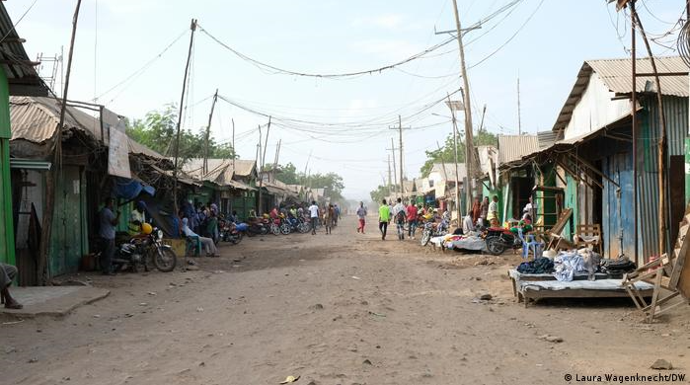
DW Akademie website on June 12 2023. Image credit: Laura Wagenknecht/DW
- Log in to post comments