










































Policy Communication Toolkit
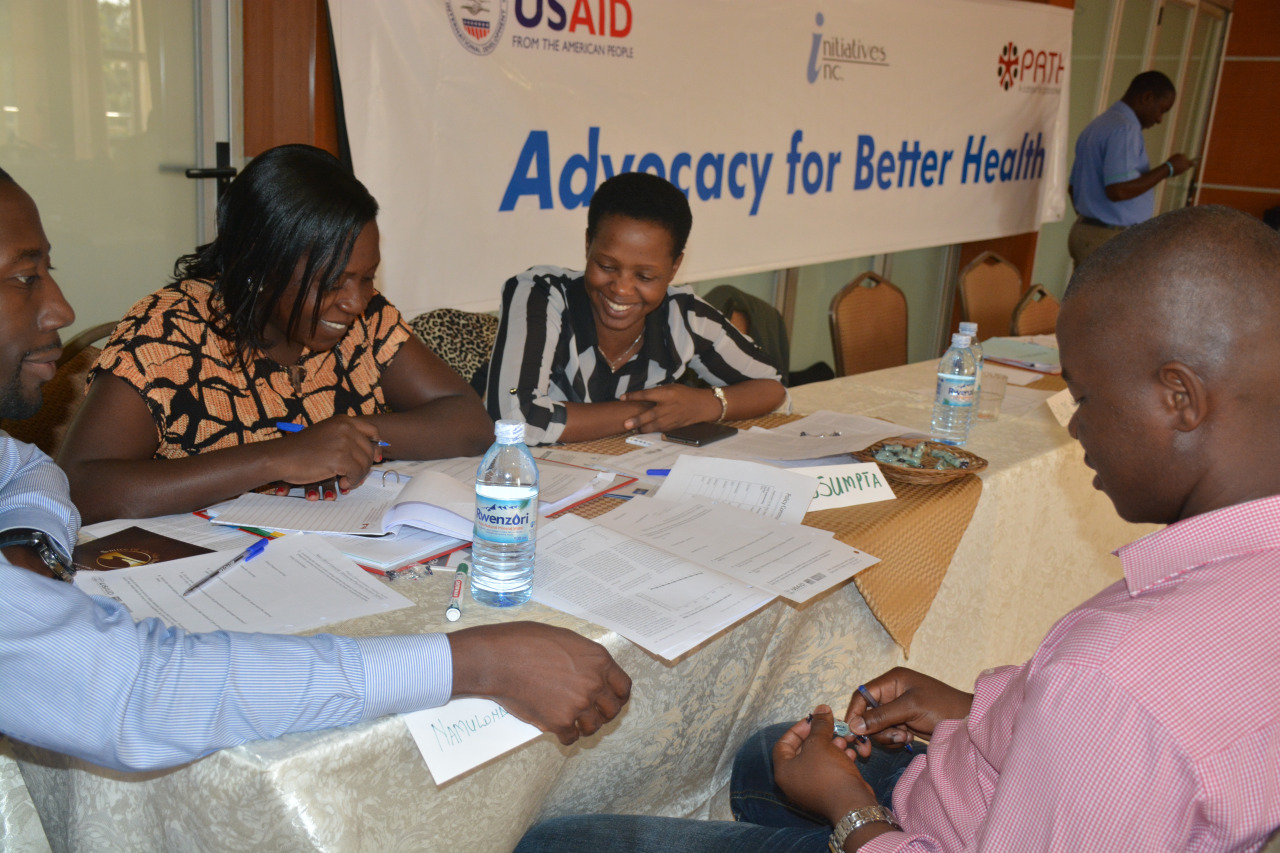
"Research often has profound implications for policy, but without effective communication between researchers and policy audiences, the significance of research findings may be lost. Through this toolkit, users can build skills to bridge this gap, with the goal of increasing the use of evidence in policy and decisionmaking."
As part of its work over the past 30 years, the Population Reference Bureau (PRB) has trained researchers and advocates to communicate to policy audiences, bringing small groups together to learn how to translate health and family planning research into clear and actionable policy messages. "Alumni of these trainings have applied their skills by informing the policy environment for family planning and reproductive health around the world, communicating evidence to bring about policy action at all levels of the health system." Produced by the United States Agency for International Development (USAID)-funded Policy, Advocacy and Communications Enhanced for Population and Family Planning (PACE) Project (see Related Summaries, below), this toolkit compiles PRB's training resources into an online format, allowing researchers, non-governmental organisations (NGOs), donors, advocacy organisations, think tanks, universities, and others to select and customise training sessions to meet their specific needs, whether for a mini-workshop or a 2-week training.
Throughout 2016, PRB experts revised and expanded their curriculum to reflect best practices in evidence-based policymaking. To that end, this training toolkit includes all the materials PRB uses to train family planning, reproductive health, and population researchers, experts, and advocates to:
- Understand the process by which research informs the policy environment.
- Identify key policy audiences.
- Identify and communicate the policy implications of research.
- Communicate messages through a variety of platforms, including policy briefs, oral presentations, data visualisations, social media, and more.
The training toolkit is organized around 8 core learning modules:
- From Research to Policy
- Strategic Communication
- Writing for Policy Audiences
- Creating Policy Presentations
- Negotiations & Accountability
- Communicating Research Through Social Media
- Data Visualization
- Working With the Media
The content included in the first two modules (From Research to Policy and Strategic Communication) provides the conceptual underpinning for how to communicate data and evidence to policy audiences. The subsequent modules focus on building those communication skills for a certain medium. Each module contains learning objectives, instructional presentations, individual and group exercises, and suggested homework/reading. Each session includes guidance for facilitators, such as presentation speaker notes, instructions for exercises, and guidelines for discussion. Depending on the needs of participants, trainers can select from among the modules and sessions included in the toolkit to build a curriculum that best suits their goals, the skill level of participants, and the time they have available.
Publishers
English, French, Spanish
Email from Jessica Kali to the Health Information for All (HIFA) Dgroup, January 14 2017; PRB website, February 10 2017 and October 6 2022; "New Toolkit Expands Reach of Policy Communication Training", by Marissa Pine Yeakey, January 23 2017; and "Family Planning's Multisectoral Impacts: Lessons and Opportunities From the PACE Project", by Tess McLoud and Haley Brahmbhatt, March 11 2022 - accessed on October 6 2022. Image credit: PRB