










































Polio Situation Update in Nigeria: A Worrisome Upward Trend in Nigeria
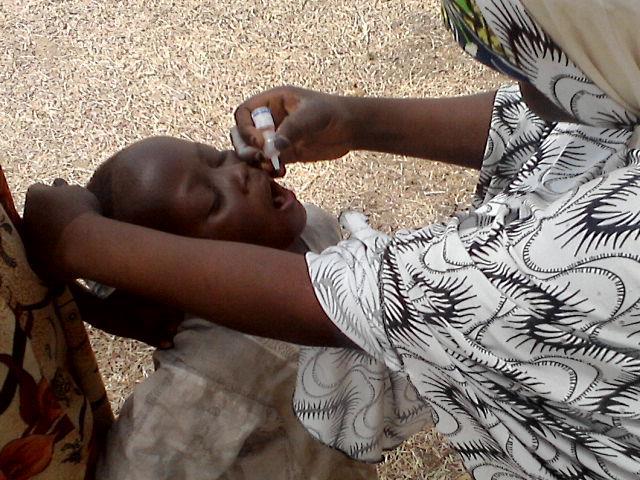
This brief update from the United Nations Fund (UNICEF) reports on recent developments in polio-endemic Nigeria. Abuja (NIGERIA). As of 13th of April 2012, 20 new cases of wild poliovirus (WPV) have been reported in 8 states, compared to 9 cases for the same time period in 4 states in 2011. The polio eradication programme is addressing challenges in campaign quality while dealing with a deteriorating security situation. In key infected states (Borno, Kano, Sokoto, Yobe), more than 1 in 3 children has received less than 4 doses of the oral polio vaccine (OPV).
Interpersonal communication has been part of the strategy to address these challenges and concerns. From March 31 to April 3 2012, Nigeria conducted a nationwide door-to-door immunisation campaign designed to reach more than 55 million children. However, according to the update, "[p]ersistent community resistance to vaccination in some pockets of high risk areas is profoundly impacting progress in Nigeria....States like Yobe (38%), Katsina (24%), Gombe (22%) and Kaduna (21%) still have a high proportion of unresolved non-compliance even after revisiting the households."
Another strategy is advocacy. In early March 2012, a Presidential Task Force was inaugurated. Its role is to closely monitor the quality of the campaigns and hold the federal, state, and local government authorities as well as partners accountable for polio eradication. The 23rd Expert Review Committee (March 28-29 2012) emphasised the need to rapidly improve campaign quality in the worst performing local governments (LGAs) in high-risk states and made recommendations including building a national sense of emergency.
Community participation is also a focus of UNICEF's approach to this emergency. As part of the National Polio Eradication Emergency Plan, UNICEF and its partners (with the support of Bill and Melinda Gates Foundation and the Centers for Disease Control and Prevention, or CDC) have been scaling up the Volunteer Community Mobilizer Network. The goal is to reduce the percentage of missed children through targeted house-to-house interventions to generate demand for and acceptance of OPV. In total, 2,150 settlement-level volunteer mobilisers will be recruited, trained, and deployed.
Launched at national level in September 2011, the Polio Free Torch Campaign (see the Related Summaries link, below) was executed as an intensive 4-month media and event marketing strategy designed to mobilise wide support from a variety of stakeholders at national and state levels for the last lap of the polio eradication efforts in Nigeria. In April 2012, it will complete the series of state launches in Borno, Sokoto, and Zamfara.
Email from Lalaina Fatratra Andriamasinoro to The Communication Initiative on April 21 2012.