










































Rapid Behavior Change in the Midst of a Pandemic: How Amref Health Africa in Uganda Leveraged Mass Media for Impact
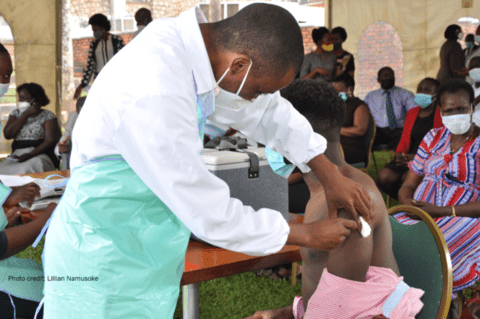
Abstract for a Comm Talk from the 2022 International SBCC Summit in Morocco:
"During the COVID-19 pandemic, Amref Health Africa in Uganda achieved rapid behavior change by deploying a multi-channel mass media approach, reaching diverse communities with life-saving health information. Misinformation and low access to reliable health data posed significant risks in Uganda, but Amref’s consistent and culturally sensitive media strategy helped combat these issues.
Amref’s approach utilized radio, television, newspapers, SMS, and digital platforms, allowing for widespread and repeated messaging. Local radio campaigns, conducted in regional languages, broadcast health information through talk shows, dramas, and jingles, making critical practices like mask-wearing and handwashing accessible to rural listeners. SMS messaging and WhatsApp groups provided real-time updates and created feedback loops between health educators and communities, allowing Amref to adapt messages to local concerns.
Television and print media amplified these efforts, reinforcing behavior messages through visual content that was both informative and easy to understand. Additionally, by engaging respected local leaders - such as cultural and religious figures - Amref added credibility to its messages, which helped to address vaccine hesitancy and misinformation.
This media consistency was key to driving behavior change. Studies found that communities exposed to repeated health messaging from Amref were more likely to adopt preventive behaviors and trust the information provided. The campaign’s success led to significant increases in mask usage, handwashing, and vaccine uptake in areas where messaging was consistently reinforced.
Amref’s experience highlights the power of combining mixed media with culturally relevant content and trusted community figures. This model enabled rapid health behavior adoption and strengthened the health system’s response, showcasing a valuable strategy for behavior change in future public health crises."
Approved abstract for the 2022 SBCC Summit in Marrakech, Morocco. From SBCC Summit documentation. Image credit: Lillian Namusoke/AMREF