










































1 minute
Science Communicators Rise to Climate Challenge
SciDev.Net
This SciDev.Net article describes a collaborative effort amongst science communicators from around the world to devise and put forward recommendations for better communicating climate change impacts and mitigation methods.
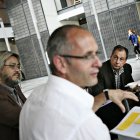
Specifically, author Jia Hepeng reports on the Copenhagen Challenge project, which took place in June 2008 at Denmark's Public Communication of Science and Technology (PCST) conference. This gathering of more than 500 science communicators from around the world afforded a chance to build bridges and dialogues through an open, constructive platform. PCST delegates were organised into focus groups to offer recommendations to tackle the challenges posed by 14 discussion topics, such as how to communicate climate change to communities without access to modern mass media, dealing with regional differences in climate change, and communicating to spur people to change their behaviour.
The recommendations which emerged, which may be accessed online by clicking here, include such strategies as these: the use of natural meeting places such as schools, shops, and hospitals for climate discussions; adopting folk arts, games, toys, and dances as communication tools; and focusing the design of climate strategies on identified local problems and needs. Another suggestion was to "localise both the impacts of climate change and the impacts of people's activity on the climate" to change people's behaviours.
The recommendations will be submitted for consideration by the UN Framework Convention on Climate Change (UNFCCC).
SciDev.Net Weekly Update (June 30 - July 6 2008).
- Log in to post comments