










































Sierra Leone: Encouraging Impartial Coverage During the 2012 Elections
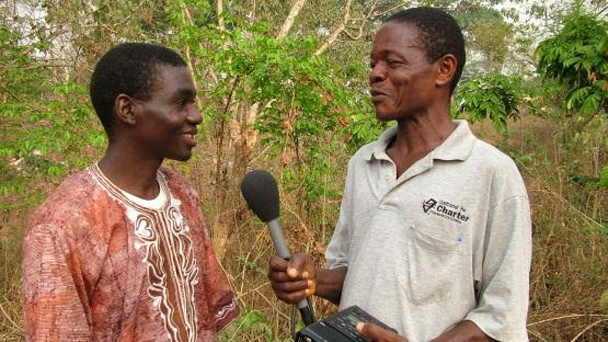
This research report followed a BBC Media Action training in Sierra Leone in October and November of 2012 on election reporting for journalists of the International Radio Network. "The aim was to encourage impartial, fair and accurate reporting. These mentors trained local journalists working at International Radio Network (IRN) stations....BBC Media Action supported International Radio Network (IRN) stations to cover elections, report results and observe the Independent Media Commission’s election reporting guidelines."
After the election, the research team 13 conducted in-depth interviews with journalists, mentors, and listeners "1) to explore how mentors and journalists felt the stations had been able to implement the journalism training during the elections and 2) to understand audience perceptions of the role of the media during elections generally and specifically the perception of the election output of the stations that received BBC Media Action training."
"Key findings
- Mentors and journalists found the training improved their ability to: report elections in a professional way that reduced the likelihood of conflict and unrest; provide objective, impartial and fair coverage of political parties; and incorporate citizen voices in discussion programmes around the elections.
- Listeners appreciated the comprehensive coverage the IRN stations provided and saw their output as balanced and impartial.
- However, mentors, journalists and listeners reported that coverage would have benefited from more balanced political party presentation. Some listeners wanted to see more representatives from the two main political parties: the All People Party’s Congress and the Sierra Leone Political Party.
- Mentors and journalists reported that it was challenging to secure political party representatives on the programme due to their negative perceptions of the media. Sometimes those who did agree to an interview or appearance on a show would cancel at the last minute."
Implications taken from the research suggest that more journalist training is "need[ed] to address their confidence to interview people in positions of power and adapt to unexpected circumstances in broadcasting." Training on follow-up to report on whether those elected are accountable for and delivering on electoral promises was a need anticipated by mentors and journalists in order to fulfill listener expectations of reporting on discrepancies and other events that impact the local community after the election.
BBC Media Action website, June 11 2014.