










































A Systematic Review of Interventions to Improve Uptake of Pertussis Vaccination in Pregnancy
University of Adelaide (Mohammed, McMillan, Roberts, Marshall); Women's and Children's Hospital (Mohammed, McMillan, Marshall)
Maternal pertussis vaccination has been introduced in several countries to prevent pertussis morbidity and mortality in infants too young to be vaccinated. Despite the recommendation of maternal pertussis vaccination from immunisation advisory groups internationally, uptake remains suboptimal. The barriers to vaccination in pregnancy have been found to be more complicated than the barriers identified for low uptake in childhood immunisation programmes. This review aimed to systematically collect and summarise the available evidence on the effectiveness of interventions used to improve pertussis vaccination uptake in pregnant women.
Six studies were included in the review, of which 3 were randomised controlled trials (RCTs). The studies, which were published between 2015 and 2017, investigated a variety of interventions:
- 2 studies used provider-based interventions only - For example, one involved delivering an electronic reminder within the medical record system that alerts health care providers (HCPs) to offer maternal pertussis vaccination. Post-implementation of this "best practice alert", uptake of pertussis vaccine during pregnancy was significantly improved to 97% compared with 48% of postpartum pertussis vaccination uptake prior to the programme.
- 2 studies used pregnant woman-focused interventions only - For example, one assessed the effect of 2 Elaboration Likelihood Model (ELM)-based vaccine educational interventions: an affective messaging video and a cognitive messaging iBook intervention among pregnant African-American women. Of the 2 interventions, the iBook was significantly associated with uptake of the postpartum pertussis vaccination compared with women in the control group.
- 2 studies incorporated blended approaches that combined provider-focused interventions, pregnant-woman-focused interventions, and interventions to enhance maternal pertussis vaccination access - For example, one study, which introduced multi-component antenatal vaccine promotion package among 11 obstetric practices in Georgia, US, involved: (i) handing out iPads pre-loaded with lessons demonstrating the importance of maternal immunisation to obstetric patients in examination rooms; (ii) identifying a vaccine champion; and (iii) stocking of influenza and pertussis vaccines in obstetric practices. Overall, antenatal pertussis vaccination uptake was higher in the bundled intervention group than the control group, although improvements were not significant.
While the 3 observational studies in the review reported statistically significant absolute increases in the vaccination rate of at least 25%, the interventions in all the 3 included RCTs did not demonstrate a significant improvement in the uptake of pertussis vaccination during pregnancy. "Overall, the certainty of the findings in this review are low. To improve the certainty of evidence more RCTs are required."
The researchers articulate the need for high-quality patient education highlighting the role of maternal pertussis vaccination in preventing severe pertussis infection in very young infants. Some have argued that the content of the message in educational interventions might influence its effectiveness; the researchers suggest that further studies assessing messaging would be of value. There is also a need for studies in other countries and low-resource settings. It seems clear that educational materials on maternal pertussis immunisation should be easily readable and accessible to women from culturally and linguistically diverse backgrounds.
The researchers observe that many of the barriers cited for pregnant women often apply to HCPs as well, including lack of knowledge about the benefits of maternal vaccinations. Pregnant women's misperceptions about the risk of the disease, in addition to the effectiveness and safety of vaccination during pregnancy, are the main barriers to the delivery of vaccinations during pregnancy and could be corrected through a discussion with a well-informed HCP. Hence, overcoming pregnant women's and HCPs' barriers are described here as crucial to improving pertussis vaccination uptake among pregnant women.
In conclusion: "The best available evidence suggests that to improve maternal pertussis vaccination to protect young infants, HCPs should inform all pregnant women about the importance of pertussis vaccination during pregnancy, incorporate midwife delivered maternal immunization program at antenatal clinics [one observational study found that this strategy improved uptake of pertussis vaccine during pregnancy from 20% to 90%], use provider reminder systems to target unimmunized pregnant women, and include maternal pertussis immunization as part of standard antenatal care."
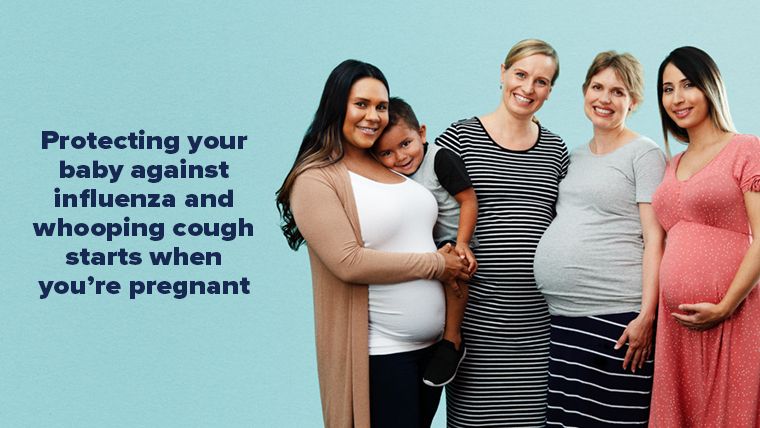
PLoS ONE 14(3):e0214538. https://doi.org/10.1371/journal.pone.0214538. Image credit: Beta Health - Department of Health
- Log in to post comments