











































Tewerwari Kewakebt (The Shooting Stars)
Image
SummaryText
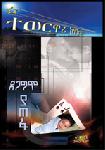
Tewerwari Kewakebt (The Shooting Stars) is a 52-edition serial comic book designed to reduce the risk of HIV infection among members of Ethiopia's police force. It is distributed to officers within the Federal Police for use during ongoing peer group discussions. According to the press release issued on the launch of the comic book, the Ethiopian Police Force is known for its swift and efficient response in case of crisis. The main characters of this comic serial, who are also members of the police force, are seen using their crisis-handling skills in responding to HIV and AIDS. By combining humour, action, and drama, the comic book aims to enable officers within Ethiopia's Federal Police to better understand the risks they face from HIV and to develop strategies that will keep them safer.
The Shooting Stars is part of the Modeling and Reinforcement to Combat HIV/AIDS (MARCH) project, which aims to be a model for HIV prevention. MARCH promotes behaviours that reduce the risk of HIV infection, such as faithfulness, condom use, and early detection and treatment of sexually transmitted infections (STIs) by using role models to demonstrate positive behaviour change through serial dramas and entertainment education.
The comic follows the lives of four characters, as described below by the publishers:
The Shooting Stars is a product of a partnership between the Ethiopian Federal Police (FP) and the United States (U.S.) Centers for Disease Control and Prevention (CDC) - Ethiopia with technical assistance from the Johns Hopkins Bloomberg School of Public Health/Center for Communication Programs (CCP) - AIDS Resource Center (ARC). It is funded by the President's Emergency Plan for AIDS Relief (PEPFAR) through CDC.
As of December 2010, the serial comic reached it's 24th episode. The comics are distributed every month and are accompanied by peer group discussions every two weeks. According to the publishers, anecdotal evidence has shown that HIV testing and counselling has increased, condom use has also increased, and lower rates of STIs have been reported based on available services data. CDC is currently in the process of formally evaluating the process and outcomes of this behaviour change activity.
The Shooting Stars is part of the Modeling and Reinforcement to Combat HIV/AIDS (MARCH) project, which aims to be a model for HIV prevention. MARCH promotes behaviours that reduce the risk of HIV infection, such as faithfulness, condom use, and early detection and treatment of sexually transmitted infections (STIs) by using role models to demonstrate positive behaviour change through serial dramas and entertainment education.
The comic follows the lives of four characters, as described below by the publishers:
- Inspector Kinfe: a loving husband and father of two, Kinfe is a dedicated worker, respected officer, and good friend. Alas, this seemingly perfect man has one flaw: he considers occasional cheating his right as a man. Circumstances will, however, prove him wrong and convince him that faithfulness is the higher path to follow.
- Chief Sergeant Ali: a 29-year-old heartthrob who owes his luck with the ladies to his upbringing. An only child, he grew up showered with the love of his single mother and all the other women in his community. His happy-go-lucky, adventurous nature effortlessly leads him into the open arms of willing women and trouble.
- Constable Tigist: a pretty, feisty 23-year-old who, despite her mother's pleas, joined the force. Tigist idolizes her late father, a policeman who was killed while on duty. Able, outspoken, and a go-getter, it is her destiny to excel in the force. Always one of the guys, she’s convinced that she knows them well enough never to fall for their smooth talk.
- Constable Yonas; a handsome 19-year-old recruit, excels in the training field and lives by the motto "why buy a book when one can join the library?" He's a bit of a player when it comes to women. Readers see how life's lessons change his attitudes to relationships in general, and STIs and condom use in particular.
The Shooting Stars is a product of a partnership between the Ethiopian Federal Police (FP) and the United States (U.S.) Centers for Disease Control and Prevention (CDC) - Ethiopia with technical assistance from the Johns Hopkins Bloomberg School of Public Health/Center for Communication Programs (CCP) - AIDS Resource Center (ARC). It is funded by the President's Emergency Plan for AIDS Relief (PEPFAR) through CDC.
As of December 2010, the serial comic reached it's 24th episode. The comics are distributed every month and are accompanied by peer group discussions every two weeks. According to the publishers, anecdotal evidence has shown that HIV testing and counselling has increased, condom use has also increased, and lower rates of STIs have been reported based on available services data. CDC is currently in the process of formally evaluating the process and outcomes of this behaviour change activity.
Publishers
Publication Date
Languages
Amharic
Source
ETHARC website on May 23 2008.

- Log in to post comments