










































The Story of Stuff
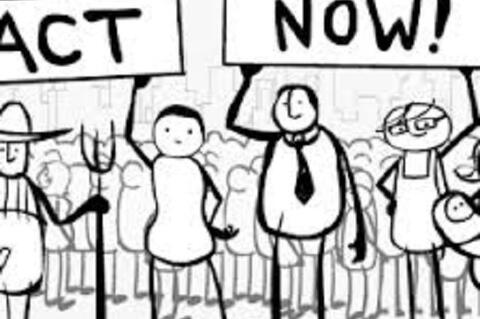
This initiative draws on information and communication technologies (ICTs) to raise awareness about, and spark action to address, the costs and consequences of consumer culture. Purposefully launched in December (a time when the holiday shopping season - i.e., the quest to purchase gifts in anticipation of Christmas and other holidays - kicks into high gear in the US), the film-based project urges consumers to think about what happens to their "stuff" from holidays past.
Released online (and available in DVD format) "The Story of Stuff" takes viewers on a tour of our consumer-driven culture - from resource extraction to iPod incineration - exposing the real costs of what activist Annie Leonard (the film's narrator) describes as a "use-it and lose-it approach to stuff" that is not limited to the holiday season alone. In short, Leonard examines the social, environmental, and global costs of extraction, production, distribution, consumption, and disposal. Part of the strategy involves sharing facts, while at the same time "delivering a rapid-fire, often humorous and always engaging story."
Since the original film release, SOS has expanded by offering the following (which may all be viewed on YouTube):
- "The Story of Change" - Released in July 2012, this film urges viewers to "put down their credit cards and start exercising their citizen muscles to build a more sustainable, just and fulfilling world."
- "The Story of Broke" - Released November 8 2011, this film calls for a shift in government spending toward investments in clean, green solutions: renewable energy, safer chemicals and materials, zero waste, and more.
- "The Story of Citizens United v. FEC" - Released March 1 2011, this film explores the history of the Federal Election Commission (FEC) and corporate political spending, the appropriate roles of citizens and for-profit corporations in a democracy, and the impact the Citizens United v. FEC decision is having on US political process. It ends with a call to amend the US constitution to confirm that people - not corporations - make the decisions in a democracy.
- "The Story of Electronics" - Released November 9 2010, this film explores "the high-tech revolution's collateral damage - 25 million tons of e-waste and counting, poisoned workers and a public left holding the bill."
- "The Story of Cosmetics" - Released July 21 2010, this film examines the use of toxic chemicals in our everyday personal care products, revealing the implications for consumer and worker health and the environment and outlining ways to move the industry away from hazardous chemicals and towards safer alternatives.
- "The Story of Bottled Water" - Released March 22 2010, this film "explores the bottled water industry’s attacks on tap water and its use of seductive, environmental-themed advertising to cover up the mountains of plastic waste it produces."
- "The Story of Cap & Trade" - Released December 3 2009, this film offers a look at the leading climate solution being discussed at the world water summit in Copenhagen, Denmark, and on Capitol Hill in Washington, DC, US.
The SOS website serves as an interactive launch pad for information and activism. It includes:
- links to a large number of different non-governmental organisations (NGOs) working to change the cycle of the materials economy.
- concrete action ideas for promoting sustainability and justice at multiple levels to address the problems identified in the film - for example, "...Talking about these issues raises awareness, builds community and can inspire others to action....As individuals, we can influence the media to better represent other important issues as well. Letters to the editor are a great way to help newspaper readers make connections they might not make without your help. Also local papers are often willing to print book and film reviews, interviews and articles by community members. Let's get the issues we care about in the news."
- resources and information, a footnoted script, a suggested reading list, ideas for educational activities, and guidance for local screenings (e.g., post-film discussion tips, screening posters, invitation templates, and group activity ideas).
- an interactive weblog featuring topics such as environmental sustainability, green design, and social justice is designed to spark e-dialogue.
- a Changemaker Quiz and a Changemaker Challenge.
Environment, Rights.
According to the original SOS film, consumer mania may be traced to the post-World-War-II era, but "economic manipulation has driven consumerism to where it is today. From the limited life cycle of personal computers to changes in footwear fashion, Leonard demonstrates that products are either designed to be regularly replaced or to convince consumers that their stuff needs to be upgraded. This notion of planned and perceived obsolescence drives the machine of American consumerism year round."
Sponsored by the Tides Foundation and the Funders Workgroup for Sustainable Production and Consumption.
Story of Stuff website, July 19 2008 and January 11 2013; and email from the Story of Stuff Project team to The Communication Initiative on May 9 2013.
- Log in to post comments