










































Change the Answer Campaign
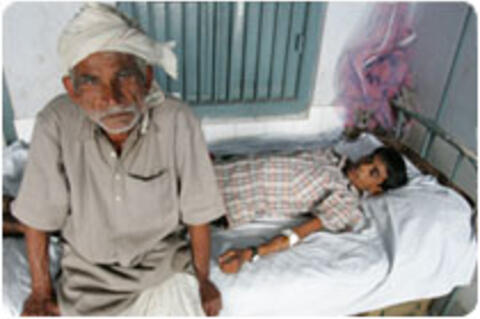
Using the unique window of opportunity to leverage America's heightened interest in the developing world presented by Slumdog Millionaire, IOWH increased its efforts to raise awareness about neglected diseases afflicting the world's economically poor the day after the televised "Academy Awards" ceremony was held to honour films, including this one. The title of the campaign references the film's focus on an impoverished young man's participation in a televised game show with a multiple choice format.
Specifically, those visiting the IOWH website are greeted with a pop-up question reading "Why do millions of people die from treatable diseases every year?" with the following options:
A. They're poor.
B. They lack access to medication.
C. They're not our problem.
D. It is written.
The answer which is automatically highlighted is D, one that most closely linked to apathy. The words "You can change the answer. Donate now." appear, leading website visitors to browse the resources available online to learn how they can help IOWH garner access to medicines on the part of those in the developing world who cannot afford them.
IOWH also ran a full-page ad in the New York Times on the morning just following the broadcast of the ceremony in which Slumdog Millionaire won 8 Oscars, including Best Picture. That same day (February 23rd), IOWH participated in International Corporate Philanthropy Day, a day designated to showcase strategic corporate philanthropy initiatives and encourage further cross-sector partnerships in support of social and environmental causes. This social media initiative, which featured IOWH engaging in visibility activities in partnership with other global health organisations, such as the United Nations, Committee for Encouraging Corporate Philanthropy (CECP), and the World Health Organization (WHO). Specifically, a special forum was held on opportunities for philanthropy to help advance the Millennium Development Goals (MDGs) on global health-related issues. United Nations Secretary-General Ban Ki-moon and Former President Bill Clinton addressed attendees.
Health, Access to Medicines, Development Aid.
According to IOWH, over 1 billion people a year suffer from neglected diseases, and it is impoverished children like the film's characters who are most likely to die from preventable and treatable diseases. Film is perceived here as a meaningful medium for bringing tough issues like poverty alive so that people can really imagine it and begin to visualise it. The role of personification is relevant as well; strong characters talking to a viewer from the cinema screen are thought to have a more lasting impact than facts and figures about a development issue appearing constantly in the international pages of the newspaper. When one's neighbour is not vulnerable to malaria, for example, actually seeing the "face" of a disease on the screen can raise the consciousness of people in the United States about the plight of the extremely poor and the ways in which they could so easily be helped.
Global Health Weekly Update, March 2 2009; "Institute for OneWorld Health Launches Awareness Campaign Inspired by Academy Award Winning Film", Business Wire, February 23 2009; Corporate Social Responsibility News; and IOWH website.
- Log in to post comments