










































A Guide to Voluntary and Humanitarian Work
"This booklet is intended to help altruistic people enter humanitarian employment, and those who are already there to move on and upwards."
The book, in its second edition is written to help people become aid workers, to develop their careers during the first cycle of employment, and to build the capacity of those involved in preparing for emergencies and alleviating disasters. "Development work is often concerned with empowering the population targeted for assistance. The role of the agency involved may also change from one of providing direct life-saving support, to one which facilitates learning, self-awareness, and self-sustained linkages to other support measures such as local government services or the provision of microfinance by the commercial sector.In this book "humanitarian work" will be used to cover all aspects of saving lives and alleviating suffering from natural and human-made situations. It is about helping people to help themselves; humanitarian workers have to be good listeners in order to hear what beneficiaries want or need.
Contents of the book include:
- Preface
- Foreword
- Introductions to 1st and 2nd Editions
- Background
- Humanitarian and Aid Work
- Emergency and Development
- Who is Needed Where for Humanitarian Work
- Starting Out
- How to Start
- Voluntary Work
- Putting your Life on Paper
- Writing your Application Letter
- Preparing for the Interview
- Negotiating Conditions of Service
- Ready to Go!
- Frequently Asked Questions
- Developing Your Career
- Writing Two Mission Statements
- Planning Work Strategy
- Controlling Your Time
- Making Power Point Presentations
- Preparing a Report
- Managing a Meeting
- Inducting a New Colleague
- Assessing Self and Peers
- Coping with Stress
- Following Further Studies
- Being a Consultant
- Psychometric Testing
- Moving On
- Helpful Websites
Publishers
164
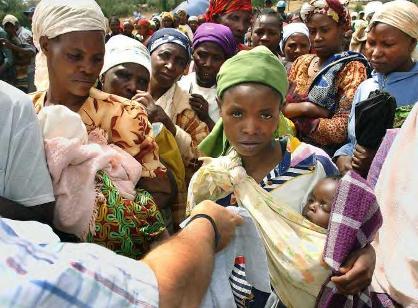
Email from Bryan Walker to The Communication Initiative on March 29 2012 and the networklearning.org website, April 20 2012. Image credit: Ruth Schäfer, Rhein-Valley Hospital
- Log in to post comments