





































"I Have Grown Up Controlling Myself a Lot." Fear and Misconceptions about Sex among Adolescents Vertically-Infected with HIV in Tanzania
London School of Hygiene and Tropical Medicine (Busza), Jhpiego, Tanzania (Besana), Pathfinder Tanzania (Mapunda), Pathfinder International (Oliveras)
"How adolescents grapple with their nascent sexuality and HIV status may have implications for their subsequent attitudes to sex, risk behaviour, health, and well-being."
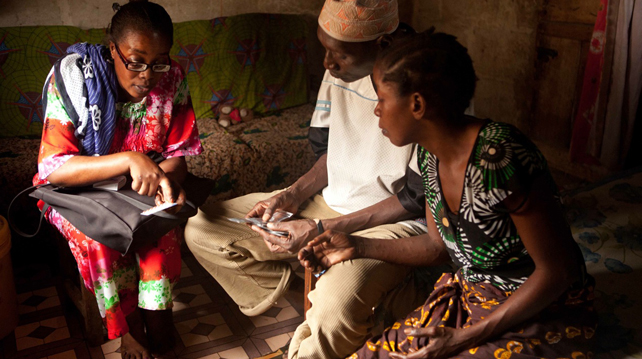
This qualitative study explored how HIV-positive adolescents in Tanzania experience their sexuality in order to understand their perceptions of sexuality, their ability to access sexual health information and services, and their interpretation of HIV prevention messages. Researchers interviewed 14 adolescents aged 10-19 who had acquired HIV perinatally, 10 of their parents or other primary caregivers, and 12 volunteer home-based care providers who provided support, practical advice, and referrals to clinical services, between January and March 2011 in Dar es Salaam and Tanga, Tanzania. One location was predominantly Christian; one was predominantly Muslim. [Footnotes have been removed throughout by the editor.]
Researchers first conducted focus groups to provide "an overview of the key challenges of working with adolescents with HIV and …to identify topics for inclusion in interview guides." In-depth interviews by social workers followed, exploring: life events, living with HIV, and issues related to physical development and sexual health. A short, five-question "secret ballot" followed interviews, covering sexual debut, number of partners, condom use, other contraceptive use, and disclosure of HIV status to most recent sexual partner.
Quotations that follow are from the abstract:
"Adolescents expressed unease about their sexuality, fearing that sex and relationships were inappropriate and hazardous, given their HIV status. They worried about having to disclose their status to partners, the risks of infecting others and for their own health. Thus, many anticipated postponing or avoiding sex indefinitely." Participants discussed self-restraint as an integral part of living with HIV. "Caregivers and home-based care providers reinforced negative views of sexual activity, partly due to prevailing misconceptions about the harmful effects of sex with HIV." There was concern for the adolescents' health but also the feeling that sexual activity was inappropriate for HIV-positive adolescents. According to the interviewees, avoiding sex had become part of appropriate self-care alongside eating fresh fruit and vegetables or adhering to medication. However, adolescents acknowledged having sexual feelings. Some hoped to marry and start families. Some providers offered information and encouragement on prevention of HIV transmission within marriage, during pregnancy, and during childbirth. However, providers also explained risks of sexual relationships. Possibly seen as mixed messages by adolescents, these kinds of guidance might have contributed to adolescent desires to postpone sexual début. "The adolescents had restricted access to accurate information, appropriate guidance, or comprehensive reproductive health services and were likely to experience significant unmet need as they initiated sexual relationships. Care programmes could help to reduce this gap by facilitating open communication about sexuality between adolescents and their caregivers, providers, and HIV-positive peers."
Recommendations include the following:
- "The pervasiveness of misconceptions and reluctance to accept adolescents’ sexuality in our study, however, suggests it might prove difficult to expand service provision without first correcting factual inaccuracies and tackling judgmental attitudes toward HIV-positive people’s sexual activity. Improving the home-based care training package could be a useful first step, including directly addressing providers’ incorrect beliefs about sex-related health risks and ensuring they understand their role to be neutral conduits of information and advice."
- "Another programmatic option, therefore, would be to support caregivers in talking to young people about sex and adapting existing interventions to improve the quality of parent-child sexual communication. In Mexico, for example, a randomised, controlled trial found that running workshops to teach parents communication skills, including how to listen to their children, created opportunities to discuss sexual risks and manage discomfort, resulted in a significant increase in conversations about sex and protection compared to a control group. In South Africa, participatory workshops helped parents and guardians develop their own strategies for addressing sex and HIV with young people, resulting in more frequent efforts to communicate and improved messages. In our Tanzanian context, home-based care providers were assigned to whole households and could potentially bring caregivers and adolescents together to facilitate dialogue about the sexual dimensions of growing up with HIV."
- "Finally, peer support groups have been shown in other settings to improve confidence and uptake of health services. The use of peer education and group activities could potentially be integrated into home-based care programmes or linked through referrals to widen adolescents’ access to sources of information and support."
Health Matters newsletter, accessed June 17 2013.