










































Declaration from the International Conference on "Exchanging Experiences in Monitoring and Advocacy of Quality and Access to Sexual and Reproductive Health, Nutrition, and HIV and AIDS Services" (Draft)
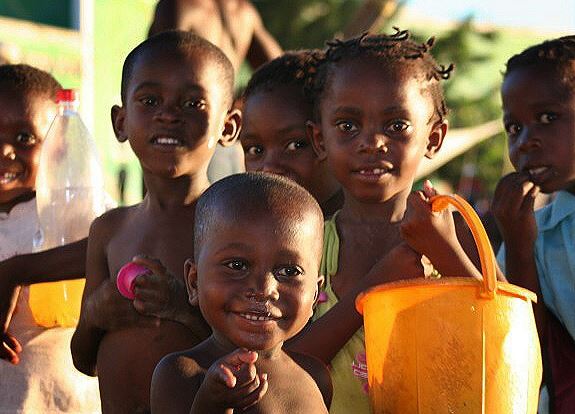
N’weti Health Communication in partnership with Mechanism for Civil Society Support (MASC) Mozambique hosted an international conference on sexual and reproductive health from 2 to 3 April 2014 in Maputo, Mozambique. The conference was supported by the U.S. Agency for International Development (USAID), Danish International Development Agency (DANIDA), Irish AID, and the UK Department for International Development (DFID).
With the theme "Exchanging Experiences in Monitoring and Advocacy of Quality and Access to Sexual and Reproductive Health, Nutrition, and HIV and AIDS Services", the conference was attended by partners from the Southern African Development Community (SADC) region and aimed to allow participants to share experiences and showcase success stories on advocating for and advancing SRHR and improving access to better nutrition in their respective countries.
The conference was initiated due to "the poor quality of the supply of, and access to, public health services in Mozambique, particularly in the areas of sexual and reproductive health, nutrition and HIV and AIDS, which have an impact on the rapid deterioration in life expectancy, on infant mortality and on the structure of the population". Mozambique is one of the countries with the highest prevalence of HIV/AIDS in the world. With over half a million children orphaned due to HIV/AIDS, levels of chronic malnutrition have increased. Together with an increase in food insecurity and a lack of dietary diversity, this is having a major impact on the provision of effective treatment, care and support programmes for the population in the country.
The conference aimed to enliven dialogue and reflection between the government, partners, and national and international civil society organisations (CSOs) around existing public policies in the area of health, nutrition, and HIV/AIDS. Specifically, the objectives of the conference were to:
- reflect upon the various national and international approaches and mechanisms for monitoring and advocacy of the quality of health, nutrition, and HIV and AIDS;
- understand the existing strategies for coordination between the various national and international public and private stakeholders faced with the problematics of sexual and reproductive health, nutrition and HIV and AIDS;
- contribute to the formation and strengthening of networks and capacities of civil society organisations oriented towards the monitoring and advocacy of policies on sexual and reproductive health, nutrition and HIV and AIDS.
As a result of the reflections made by the various stakeholders, at the end of the conference, the participating CSOs understood that access to health care is a fundamental question of respect for human rights, and developed a draft declaration. The declaration stresses, among other things, the fact that sexual and reproductive health, nutrition and HIV and AIDS should be seen as points on a continuum and as issues that require a cross cutting and integrated approach to planning and implementation. It also highlights the need for continued education around the importance of these cross cutting issues, the need for advocacy and partnerships to make sure these issues are on the policy and planning agenda of all roleplayers, and the need for coordination and dialogue between civil society and the government to ensure better service delivery and transparency. Overall, CSOs pledge to strengthen their commitment to influencing the policy and planning around health, nutrition and HIV/AIDS care in their countries.
Click here to download the draft declaration in Portuguese.
Soul City website and email from Denise Namburete on April 14 2014.
Image credit: Mechanism for Civil Society Support (MASC)