










































Bingwa Magazine
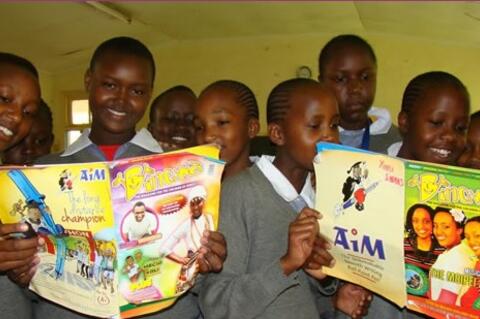
Bingwa (which means champion in Swahili) is produced to help "turn its readers into champions by nurturing and interacting with them to encourage a wholesome outlook to learning, a confident and innovative disposition, and to foster them towards becoming socially mature citizens who will contribute positively to the world." Mainly for upper-primary-school students, each issue includes information, comics, and games. The anti-corruption message "is passed across in an easy, conversational and appealing format." Children are invited to submit their writing, poetry, photographs, and artwork for inclusion; in some schools, children have started their own Bingwa clubs.
The magazine was initially published every term and distributed free of charge to primary schools in Kenya and Uganda. Since 2014, the magazine has been produced once a year to coincide with the "Day of the African Child" on June 16. In collaboration with Save the Children International, the distribution of the magazine increased from 10,000 to 50,000 copies and includes eight African countries: Kenya, Uganda, Tanzania, Rwanda, South Sudan, Sudan, Ethiopia, and Somalia. The expanded publication began with a special Africa Child Day edition (issue 12) celebrating past, present, and future accomplishments and challenges. The content covered a wide range of topics, including lessons on success, leadership, integrity, fighting corruption, health and nutrition, tree planting, and education, among others.
The focus on fighting corruption has been chosen because of its pervasive impact on every aspect of society - governance, education, service delivery - and because the publishers believe that building good citizenship and integrity in the next generation will curb corruption in the future.
Bingwa Online is a web platform where Bingwa readers can spend more time learning by playing games, watching videos, reading stories, viewing photographs, and downloading artwork. Readers can also read issues of Bingwa magazine online.
Children, Democracy and Governance, Education, Rights.
BINGWA Magazine is published and distributed by Child Africa, a child-support non-profit organisation that operates in Kenya and Uganda and has close ties with Norway.
The publication was created upon realizing that the "majority of African children have no reading materials to enhance a reading culture and feed their curiosity and creativity. Most of Africa’s children are exposed only to their school text books. Little attention is paid to providing them with supplementary reading materials. The economic and social realities in the continent have discouraged private publishers from seeking to fill this void."
According to the publishers, one copy of Bingwa magazine is read by over 100 children.
Child Africa, Save the Children International
Bingwa website, Bingwa magazine: An Exciting Journey, Child Africa website, and Bingwa Brochure - all accessed on February 15 2015.
- Log in to post comments