











































Breaking the Silence
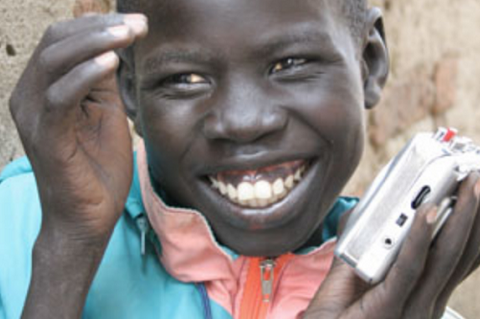
ADRA Denmark's Breaking the Silence children's radio programme is designed to breaks the culture of silence around HIV and AIDS in Burundi, while also giving children a voice. The project combines radio programming with listening groups to promote dialogue and discussion around HIV/AIDS.
The radio shows last 30 minutes and are broadcast once a week. In addition, once a month a one-hour live show is produced with the participation of both adults and children in an expert panel. All the shows include a competition. According to ADRA, radio is extremely popular in Burundi, where the population depended entirely on the radio for information during the civil war, but child produced content is something new. The programming format was chosen based on experiences in Rwanda and Malawi, which showed that "radio is the perfect media for not only increasing peoples knowledge and get them to talk about difficult issues, but radio is also a space where people are able to voice their opinion and be heard."
The project established 42 Listener Clubs with 20-30 children in each, mostly at primary schools. They meet every week and listen to the radio show together. In each club, two children are trained to guide the discussions following the radio show. Children learn about HIV and AIDS, how it is transmitted and how it is not transmitted, how to avoid infection, and what is important once you are infected. But the club also offers an opportunity to talk about general worries the children might have and the dreams they have for the future.
The clubs are also the scene for most of the production of the radio shows and where most of the material for the shows are gathered and recorded. Hence, two children are trained in basic recording and production skills. Each club is assisted by two teachers who help the children with practical issues.
HIV/AIDS, Children
According to ADRA, the project seems to be a success because children have a lot of trust in the radio and use the broadcasts to validate their knowledge when passing it on.
ADRA Denmark
ADRA website on February 10 2012.
- Log in to post comments