










































CRS' Social and Behavior Change Guide
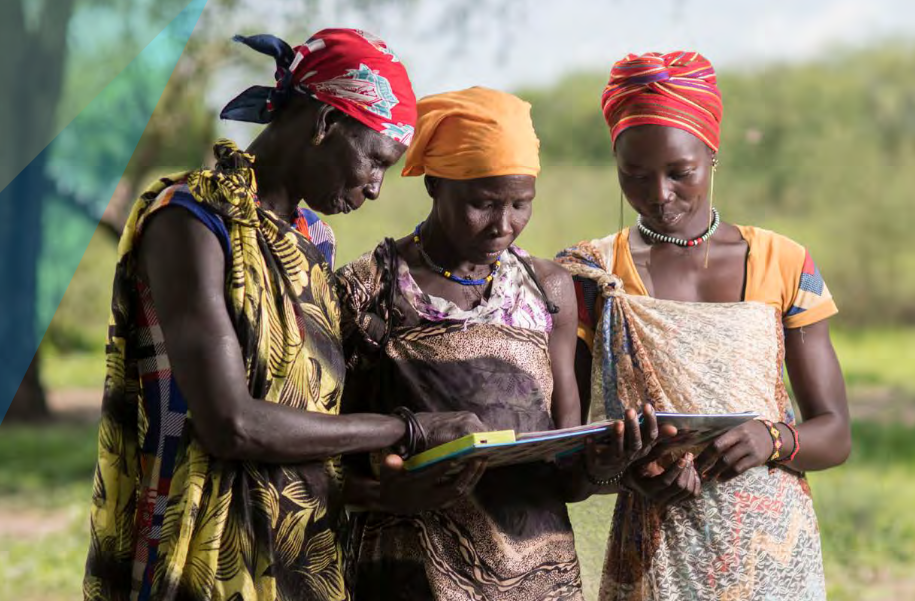
"Sustainably shifting behavior can be a complex undertaking that requires an understanding of human behavior, household power dynamics, social influences, economic factors, and the broader political and geographic environment."
Supporting local communities to adopt new individual behaviours or to shift social norms is fundamental to all the work that Catholic Relief Services (CRS) aims to achieve, across all programme sectors. This practical tool is designed to provide consistent terminology and processes by which different programmes are designed to promote social or behaviour change (SBC). It provides: an understanding of basic principles of human behaviour and social change; definitions of key terms and concepts; explanation of the essential steps in the SBC process; description of key, evidence-based, effective SBC processes; checklists and templates to guide teams through planning and implementation of SBC steps and practices; and a curated list of resources offering more detailed guidance on specific topics.
The resource is designed for technical advisors, programme managers, heads of programmes, partner staff and anyone outside of CRS who would like to deepen their understanding of how to support SBC and to increase programme impact. It is based on the premise that effective SBC initiatives follow a systematic process. The process should be strategic, meaning that project teams should consider their aims and develop specific plans and methods to achieve them in a logical way, grounded in evidence and theory. Without a clear, step-by-step process, teams can waste resources, limit implementation quality and results, and disable opportunities for effective monitoring, evaluation, accountability, and learning (MEAL).
The tool is organised into nine chapters:
- Chapter 1 introduces the guide and helps users get the most out of it.
- Chapter 2 provides a brief orientation to the key concepts of SBC.
- Chapter 3 details common SBC theories.
- Chapter 4 provides an overview of the A-B-C-D-E phases for quality SBC. Chapters 5 through 9 then provide step-by-step guidance on these five phases.
- Chapter 5 addresses project design through problem assessment (A = ASSESS). This chapter could be particularly helpful at project design stage.
- Chapter 6 covers the formative inquiry phase (B = BUILD) of developing an SBC strategy. It may be helpful at project start up.
- Chapter 7 tackles the creation of an SBC strategy (C = CREATE). This chapter could be particularly helpful during project start up and implementation, when projects have completed their formative inquiry and are ready to finalise behaviour change aims, select processes, and lay the groundwork for measuring success.
- Chapter 8 covers the process of developing SBC content and testing and refining materials (D = DEVELOP). It may be helpful during project implementation when projects are ready to create messages and materials.
- Chapter 9 provides guides on how to monitor and evaluate SBC activities to ensure they are having the desired impact (E=EVALUATE). This chapter could be useful across all project management stages (design, start up, implementation, and close out).
- Bonus content: Between Chapters 5 and 6, a menu of common SBC activities and engagement tactics is offered. This content could be helpful during project design and strategy creation.
Publishers
CRS website, February 26 2024. Image caption/credit: Mothers-in-law are highly influential for young mothers in Jonglei, South Sudan, guiding them through pregnancy, delivery, and breastfeeding. Here, they are discussing improved maternity practices, using an illustrated speaking book developed by the Resilience and Food Security Program. Photo by Hugh Rutherford for CRS
- Log in to post comments