










































Eating and Living Well with HIV and AIDS
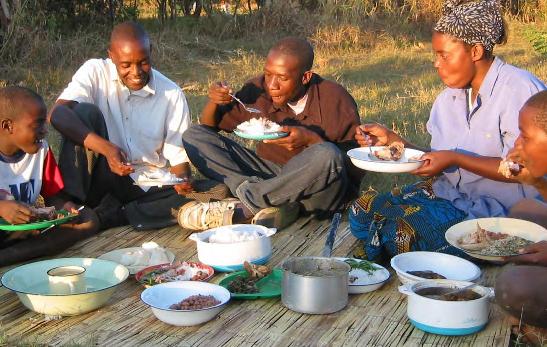
This flip chart and the accompanying set of guidelines (see the Related Summaries section below) are training and outreach resources used by Zambia’s Ministry of Health, the National AIDS/AIDS/STI [Sexually Transmitted Infection]/TB[Tuberculosis] Council, and the National Food and Nutrition Commission as a point of reference for all their partners involved in nutrition support activities for people living with HIV/AIDS (PLHIV). The flip chart is for clinic- and community-based health care providers who work with people living with HIV (PLHIV) in individual or group counselling or more formal education sessions. The messages aim to help PLHIV make informed choices to improve their nutritional status, adhere to treatment, and manage common HIV-related conditions through diet.
The instructions for using the flip chart cover how to communicate effectively. The counsellor is advised to:
- Greet the client;
- Make sure pictures can be seen easily;
- Use flip chart questions to start discussion and engage client;
- Encourage participation of all people in group settings;
- Listen attentively, maintain eye contact and allow client to do most of the talking;
- Relate pictures to client’s situation.
Using pictures to illustrate themes for clients with varying degrees of literacy, (example, three baskets, one with energy-giving foods, another with foods that build the body and another with protective foods), the flip chart is designed to help outreach counsellors invite active participation from clients and provide the counsellors with quick content reminders. Themes covered in the flip chart are 1) the importance of good nutrition for PLHIV; 2) nutrition and living positively with HIV and AIDS; 3) preventing infection and staying healthy; 4) fighting illness through diet; 5) eating well when you are pregnant or lactating.
According to the Ministry of Health, this focus on nutrition assessment, counselling, and support (NACS) has “become an effective and replicable approach for meeting the nutritional needs of malnourished PLHIV in clinical settings, significantly enhancing the care and treatment provided, and meeting the needs of HIV-affected individuals, such as clinically malnourished adult PLHIV and pregnant or lactating HIV-positive women.”
Publishers
English
10
FANTA website November 9 2011.
- Log in to post comments