










































Impact Data - Promoting Change in Reproductive Behavior in Bihar (PRACHAR)
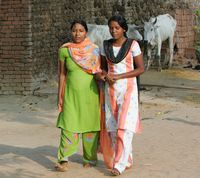
Launched in 2001 by Pathfinder International, Promoting Change in Reproductive Behavior in Bihar (PRACHAR) was a 3-year project designed to improve the reproductive behaviour of adolescents and young adults in India. PRACHAR used an intensive, broad-based community approach in an effort to reach a large proportion of the population in three districts of the state of Bihar and to change beliefs, attitudes, and practices among adolescents, young married couples, and parents and influential adult figures in these communities. Activities included street plays, adolescent training programmes, home visits, and group meetings.
This programme was motivated by context/figures such as these (provided by Pathfinder): In traditional Hindu and Muslim villages of Bihar, the median age at first marriage for women aged 20-49 is 16.9 in urban areas and 14.93 in rural areas. Bihar's extreme poverty and high levels of illiteracy and unemployment reinforce a deeply conservative social system. The majority of the population has had little or no contact with the formal health care sector. In Bihar, 66% of women giving birth have the aid of a dai (typically, a woman of a lower caste who is illiterate and learns the skills of the trade on the job), but only 9% receive assistance from a formal provider. Only 10% of pregnant women receive at least three antenatal check-ups. India's maternal mortality rate is 540 per 100,000 births.
- Baseline and endline surveys
- Project records and service statistics
- Longitudinal analysis of project records and service statistics
- Pre- and post-training tests
- A survey to measure the effectiveness of BCC messages
In addition to the door-to-door household survey conducted by trained change agents, Pathfinder conducted baseline and endline surveys of knowledge, attitudes, and practices (KAP) or behaviour related to RH/FP. The baseline survey was conducted in 2002, and the endline in 2004. As part of the endline evaluation, PRACHAR conducted a survey on the effectiveness of its communication strategies; 311 respondents were surveyed, across various demographic groups, and across all three intervention districts. Surveys were carried out in a representative sample of intervention villages, as well as in one non-intervention control area of Nalanda District.
- The interval between marriage and first birth for newlyweds increased from 21.3 months to 24 months.
- The percentage of newlyweds of all ages who use contraceptives to delay their first child more than tripled, from 5.3% to 19.9%. In newlyweds aged 17 and under, 34.4% used contraception to delay the first child.
- The percentage of newlywed adopters who began using contraception within the first 3 months of the consummation of marriage increased from 0.1% to 20.8%. At the outset of the project, only 2% of contraceptive adopters with one child had adopted contraception within 90 days of giving birth. Thirty-six months later that figure rose to 25%. Of the 2196 women who delivered their first child during the project period, 25.3% had adopted a method of contraception within 90 days of giving birth.
- The percentage of first-time parents who used contraception to space their second child increased from 14% to 33%.
- The contraceptive use rate among young married women increased nearly four-fold, from 9.7% to 38.1%.
- Median age of mother at first birth increased from 20 years to 21 years.
- Pregnancy rates in newlyweds declined from 24.3% at the start of the intervention to a 6 month average of 21.6% in the period July to December 2004. Pregnancy rates in those who had used contraception declined to 20.1% when compared with the rate of 36.3% in those who had never used a contraceptive method.
- Age-specific fertility rates declined by 14.3% in the age group 15 to 19 years, and by 12.8% in the age group 20-24 years.
Between baseline and endline surveys, acceptance by adults and young people in the community that early marriage and childbearing can be injurious to the health of both mother and child increased significantly. Adult recognition of the importance of spacing later children also increased.
In addition, 30 local non-government organisations (NGOs) in Bihar were provided with training, supervision, and resources in an effort to help them attain new levels of capacity and sustainability, particularly in maintaining and developing programmes in RH/FP. Basic RH/FP training was provided to 1,398 traditional birth attendants (dais) and 447 rural medical practitioners (RMPs). By the end of the evaluation period, 70.1% of the populations being addressed had participated in some level of training.
The endline survey revealed that 92% of primary audience groups recalled receiving messages on all 7 key RH/FP issues promoted by the PRACHAR Project. Of all respondents, 43.5% could correctly explain all elements of the 7 issues promoted by PRACHAR.