










































Polio Vaccination in Nigeria: The 'Good', the 'Bad' and the 'Ugly'
WHO National/ITD Polio Laboratory, University of Maiduguri Teaching Hospital (Baba); Nigeria National Polio Plus Committee, Rotary Centre (Ayivor)
"Borrowing a [message] from the rally organized by the polio victims, all Nigerians should complement the government efforts in 'kicking' polio out of the country."
This paper discusses the "good", "the bad", and "the ugly" aspects of polio vaccination in Nigeria - one of 3 remaining polio-endemic countries.
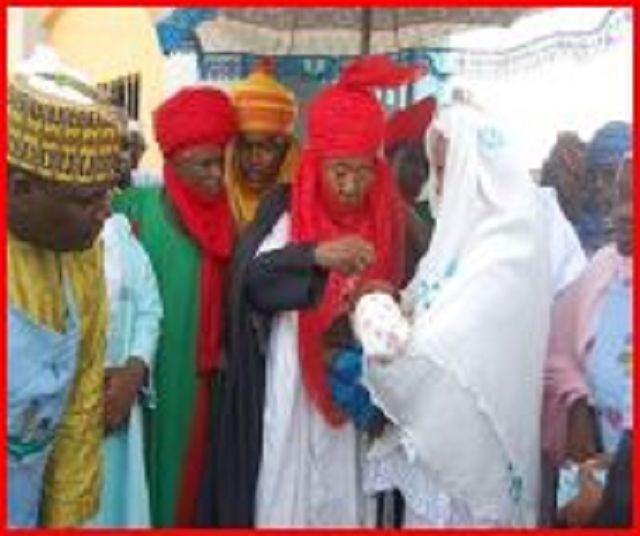
- With regard to the "good" aspect, it is noted that the immunity to polioviruses has improved in endemic States, and new approaches for better identification of settlements in need of immunisation and to promote community participation were adopted in 2012. For example, in 2009, traditional leaders in the northern states of Nigeria were engaged, and their contribution was part of efforts that led to the 95% reduction in poliomyelitis cases from 388 in 2009 to 62 in 2011 and 84 in 2012 (as of September 7); cVDPV2 declined by 82%, from 154 in 2009 to 35 in 2011. Also, there have been signs of increased political commitment. In October 2011, the president announced the establishment of presidential Task force with the Honorable Minister of State for Health as the Chairman. The Task force was charged to oversee the implementation and monitor the progress towards successful interruption of wild poliovirus transmission in Nigeria.
- With regard to the "bad" aspect, polio cases increased from 21 in 2010 to 62 in 2011 and 84 in 2012 (as of September 7), with ongoing transmission of wild poliovirus type 1,3 and cVDPV2. Decreased political oversight at critical junctures and non-implementation of emergency plans in key infected areas have been observed. Non-compliance to the vaccine seems to be the major contributor to the increasing number of polio cases in the country.
- With regard to "the ugly", this paper focuses on the aftermath of the boycott of polio vaccination in northern States in 2003 amidst the rumours that the vaccine contains infertility drugs, causes poliomyelitis, and spreads HIV. After resolving the crisis, some parents in the north still resist compliance with the polio vaccination.
The discussion and conclusion sections of the paper highlight some communication elements that the authors consider central in eradicating polio from Nigeria (and the world). For example: "It is believed that part of the efforts to improve strategies in reaching chronically missed children with the vaccine is the currently introduced new technologies such as Geographical Information System (GIS) and Global Position System (GPS). The former helps in generating maps of the catchment area electronically for an improved, and more comprehensive micro-planning while the latter monitors team performance. With these technologies and newly introduced house-based (and not compound-based) micro-planning community/wards with persistent polio viruses are better identified and targeted. Moreover, community participation during micro-planning has improved significantly compared to the previous years. For more fruitful community participation during IPDs [Immunisation Plus Days], an enhanced ward level communication strategy using locally available methods and languages is now in progress for effective dissemination of information."
J Antivir Antiretrovir 2012, S15.
- Log in to post comments