










































Mobile phone-based messaging for improving maternal and newborn health in fragile settings: a feasibility and acceptability assessment from Afghanistan
Summary:
Afghanistan has high maternal and newborn mortality rates, particularly among rural populations, and high national mobile phone ownership rates. We adapted Mobile Alliance for Maternal Action (MAMA) messages, which promote healthy behaviors during pregnancy and the first year of life, and piloted the program in semi-urban and rural areas in four provinces. We assessed feasibility, acceptability, and reported maternal, newborn, and child health (MNCH) knowledge and attitudes. Female community health workers enrolled women pregnant women and their husbands in the pilot. We conducted a single group baseline (within 10 weeks of registration) and follow-up assessment (six months of program use). Data from 453 women (72.5% of baseline) who received voice (n=302) or text (n=151) messages, and 276 men (64.6% of baseline) who received voice (n=185) or text (n=91) messages, were analyzed at both time-points. At follow-up, 96% of original subscribers were actively receiving messages. Over 90% of men and women reported experiencing benefits from the program, and 49.9% of female subscribers referred someone for subscription. Most participants (83% of women and 93% of men) said including husbands as subscribers was beneficial, and joint decision making between spouses reportedly increased overall. Proportions of participants responding correctly to knowledge measures (e.g. exclusive breastfeeding duration) significantly increased for all but lactational amenorrhea method at follow-up (p< 0.05). The MAMA program is feasible and acceptable in Afghanistan. Efficacy studies should be conducted to determine whether program messages improve MNCH knowledge, health practices, and service utilization in this fragile setting.
Background/Objectives:
Afghanistan has high maternal and newborn mortality rates, particularly among rural populations less likely to access health services, and has high (90%) national mobile phone ownership rates. We adapted and piloted the Mobile Alliance for Maternal Action (MAMA) messages, which promote healthy behaviors and care-seeking during pregnancy and first year of life, in semi-urban and rural areas in four provinces. We assessed program feasibility and acceptability, and examined participants MNCH knowledge and attitudes within 10 weeks of registration (baseline) and after approximately six months of exposure (follow-up); results are intended to guide program adaptation and scale-up.
Description of Intervention and/or Methods/Design:
Female community health workers from active health posts were trained and enrolled pregnant women and their husbands to the MAMA pilot program. Women chose voice or text messages and preferred time of day and language to receive twice-weekly messages. We conducted a single group baseline and follow-up assessment using structured questionnaires. Participants enrolled within the last ten weeks, were pregnant, and did not share a phone number with another client of the same sex were eligible for assessment. The follow-up survey was conducted approximately six months post-baseline. The baseline survey queried sociodemographic and registration process data; the follow-up survey measured program use; and both measured MNCH knowledge. Call receipt data by number were abstracted from MAMA platform data. We descriptively analyzed feasibility and acceptability data and compared MNCH knowledge change for nine knowledge measures between baseline and follow-up using the McNemar chi-square test.
Results/Lessons Learned:
Data from 453 women (72.5% of baseline) who received voice (n=302) or text (n=151) messages, and 276 men (64.6% of baseline) who received voice (n=185) or text (n=91) messages were analyzed at both time-points. At follow-up, most (96%) subscribers were active; average message receipt was 43 (voice) and 69 (SMS). Voice message subscribers and women missed messages more frequently; predominant reasons for missed messages were being busy with chores or not having a shared phone. Nearly all (>90%) men and women reported experiencing benefits from the program, and 50% of women referred someone to subscribe. Most participants (83% of women and 93% of men) reported including husbands as beneficial and, according to women, joint decision-making regarding MNCH care increased from 16% to 25%. Proportions of participants with correct knowledge significantly increased for all knowledge measures within MAMA messages except for lactational amenorrhea method at follow-up (p< 0.05).
Discussion/Implications for the Field:
This assessment indicates the pilot MAMA mobile phone messaging program is feasible and acceptable to Afghan couples and may improve equity in household health decision-making. Continued program use, including reported discussion of messages and referral of others to the program by clients, combined with reported changes in knowledge, are preliminary indications that mHealth programs may improve MNCH knowledge and practices. Efficacy studies should be conducted to determine whether program messages improve MNCH knowledge, practices, and service utilization in this fragile setting.
Abstract submitted by:
Catherine Todd
Victoria Lebrun
Sayed Haroon Rastagar
Ahmad Shah Sultani
Iftikhar Halimzai
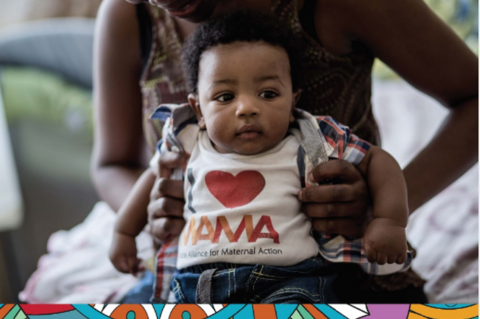
Approved abstract for the postponed 2020 SBCC Summit in Marrakech, Morocco. Provided by the International Steering Committee for the Summit. Image credit: Mobile Alliance for Maternal Action