










































Lost in Translation: Language Needs Assessments in Humanitarian Crises
Summary:
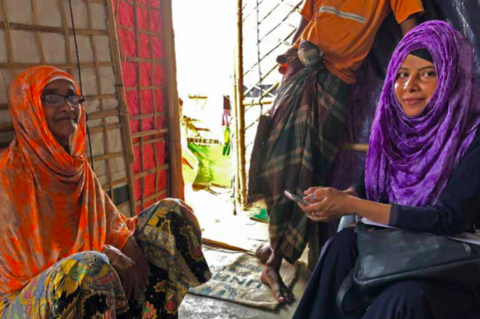
Disaster-affected populations have a right to information and two-way communication in their own language, in a format they understand, and through channels they prefer and trust. In the past year, Translators without Borders (TWB) and Azura Labs conducted a series of language needs and comprehension assessments of disaster-affected populations in Bangladesh, Myanmar, and the Democratic Republic of Congo (DRC). In Bangladesh, we conducted a quantitative survey of Rohingya refugees in Cox's Bazaar to better understand their language and information needs. In Myanmar, we conducted qualitative research with Rohingya displaced persons in camps in central Rakhine state to dig deeper and explore cross-border similarities and differences. In DRC, we conducted mixed methods research to understand language challenges in the Ebola preparedness response in Goma. This lecture will share lessons learned including the methods, key findings and recommendations from the studies. We will also share tools that were developed in direct response to these language challenges faced by both humanitarians and affected populations.
Background/Objectives:
Refugees have a right to information and two-way communication in their own language, in a format they understand, and through channels they prefer and trust. Language barriers and low access to media still leave many Rohingya refugees without the critical and life-saving information they need to claim their rights, get the support they need, and make informed choices for themselves and their families.
Description of Intervention and/or Methods/Design:
The purpose of this study was to evaluate the effectiveness of information in different languages and formats among Rohingya refugees living in the Kutupalong-Balukhali camp (or the megacamp). We interviewed 407 adults in the camp. This sample size provides a 95 percent confidence level and a 5 percent margin of error. Respondents were given simple spoken, written and visual messages and asked to explain the key messages of each. All testing materials were common messages used in health or WASH (water, sanitation and hygiene) interventions. A follow up study was conducted 1 year later.
Results/Lessons Learned:
Findings:
- Rohingya is the only spoken language that all refugees understand and prefer.
- Verbal communication is critical.
- Two-thirds would prefer written communication in Rohingya. However, the language lacks a universally accepted script.
- After Rohingya, Burmese is the preferred language for written communication.
- Simple visual messaging is effective.
- 28 percent of refugees do not have enough information.
Recommendations:
- Use Rohingya as the spoken language of communication with refugees.
- Invest in formal training for field workers and interpreters in the Rohingya language and interpretation.
- Use a mix of formats and channels of communication (make audio formats central to communication strategies, use visual formats to further aid comprehension, develop illustrated brochures and leaflets as more permanent records, work with others to get the right message out).
- Use Burmese script when sharing written information with refugees.
- Develop a better understanding of communication issues.
Discussion/Implications for the Field:
This proposal directly addresses the first theme transformational change. These needs assessments and formative research help stakeholders understand the impact of these issues locally. As part of the humanitarian agenda as spelled out in the Grand Bargain, localization is key. This presentation, therefore, shares lessons learned that may be applied in many different development, humanitarian, or multicultural contexts for SBCC. See the importance of: community engagement, risk communication, communicating with communities (CwC), communication for development (C4D), humanitarian communication, etc.
Abstract submitted by:
Maya Hasan - Azura Labs
Approved abstract for the postponed 2020 SBCC Summit in Marrakech, Morocco. Provided by the International Steering Committee for the Summit. Image credit: Translators without Borders