










































Adolescent Sexual and Reproductive Health Toolkit for Humanitarian Settings
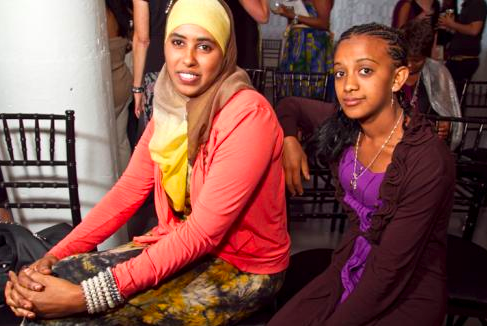
"Experimentation and risk-taking are normal during adolescence and are part of the process of developing decision-making skills ... the influence of at least one positive adult and a nurturing family are protective factors during this period of development and can help adolescents cope with stress and develop resilience."
To ensure that sexual and reproductive health interventions put into place both during and after a crisis are responsive to the unique needs of adolescents, this toolkit was created by Save the Children and the United Nations Population Fund (UNFPA) as a guide for humanitarian programme managers and healthcare providers. Intended as a companion to the Inter-Agency Field Manual on Reproductive Health in Humanitarian Settings, published by the Inter-Agency Working Group on Reproductive Health in Crises (IAWG), this publication provides tools for assessing the impact of a crisis on adolescents, implementing an adolescent-friendly Minimum Initial Service Package (MISP) for reproductive health, and ensuring that adolescents can participate in the development and implementation of humanitarian programmes. Also included are tools designed for healthcare providers to help them be more effective in providing and tracking services for adolescents at the clinic and community levels.
The toolkit introduces a human and child rights framework, discussing adolescent sexual and reproductive health (ASRH) in the context of human rights and legal considerations during emergency situations and how ASRH programmes should be utilised to prevent or address rights violations in such settings. To guide this framework, an intervention matrix is offered for responding to ASRH needs.
Organised according to Emergency Preparedness, Minimum Response, and Comprehensive Response interventions, the functions addressed include coordination, assessment and monitoring, facility- and community-based services, human rights protections, and information and education communications.
Additional chapters include information on:
- Adolescent-Inclusive Implementation of the MISP for Reproductive Health in Humanitarian Settings - to ensure sexual and reproductive health (SRH) coordination and services, reduce HIV transmission, prevent and manage the consequences of sexual violence, and prevent excess newborn and maternal morbidity and mortality.
- Participation Tools - to engage adolescents, parents, and the community.
- Assessment Tools - to improve assessment and situational analysis of ASRH in emergency situations.
- Facility-Based Tools - to assist in the identification of high-risk adolescents and to develop ASRH services that most effectively meet the needs of the adolescent.
- Community-Based Distribution and Peer Education Tools - to assist in the deployment of a comprehensive reproductive health strategy following stabilisation of an acute emergency.
- Sharing Lessons Learned
English, Spanish, French
92
United Nations Population Fund website, October 22 2011.