










































Immunization in Practice Module 4: Training for Mid-Level Managers (MLM) - Supportive Supervision
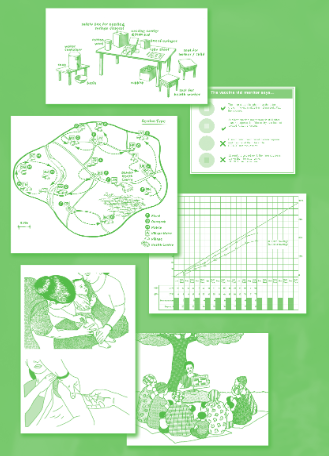
"[I]t has been shown that a supportive approach, where supervisors and health workers work together to solve problems and improve performance, delivers improved results for the immunization programme."
As outlined in this resource, part of a World Health Organization (WHO) series of modules on immunisation training for mid-level managers, supportive supervision "encourages open, two-way communication, and building team approaches that facilitate problem-solving. It focuses on monitoring performance towards goals, and using data for decision-making, and depends upon regular follow-up with staff to ensure that new tasks are being implemented correctly." As explained here, this approach diverges from an authoritarian, inspection, or control approach to supervision. Instead, supportive supervision involves supervisors and health workers working together to solve problems and improve performance, which WHO believes delivers improved results for the immunisation programme. Table 4.1 compares the characteristics of the control approach and the supportive approach.
This module is organised into the following steps:
- Setting up a supportive supervision system: training a core set of supervisors, creating checklists and recording forms, and ensuring that appropriate resources are available (vehicles, per diem, areas for collaboration with other programmes).
- Planning regular supervisory visits: using data to determine priority supervision sites, scheduling supervision visits using a workplan, and identifying training needs and skills that need updating.
- Conducting supportive supervision visits: observing, using data, problem-solving, providing on-the-job training, and recording observations and feedback.
- Following up on agreed actions by supervisors and supervised staff, carrying out regular data analysis, and providing feedback to all stakeholders.
This brief excerpt from the resource articulates some practical communication strategies:
"A job aid is a learning product available for on-the-job training which is designed to facilitate correct performance of the task by extending the performer's capability to retain and utilize information. It is also called quick or easy reference. Often these are paper-based and posted on the wall in plain sight or in a small reference notebook. They can also take the form of posters, cards, manuals, etc. It might be useful to carry a known accurate thermometer along with other job aids.
Job aids are useful as they target specific tasks or skills and allow the health worker to quickly refer to them without having to search through long training manuals.
Some examples of job aids.
- National immunization schedule.
- Checklist of things to carry to an outreach site.
- One-page sheet with pictures showing how to administer different vaccines.
- Poster put on the refrigerator showing how different vaccines should be stored.
- Poster showing methods to prevent freezing.
- Poster with standard case definitions and disease pictures.
- Important telephone numbers - measles/polio laboratories, state hospital, etc."
34
WHO website, accessed March 27 2015.
- Log in to post comments