










































Barriers to Sexual Reproductive Health Services and Rights Among Young People in Mtwara District, Tanzania: A Qualitative Study
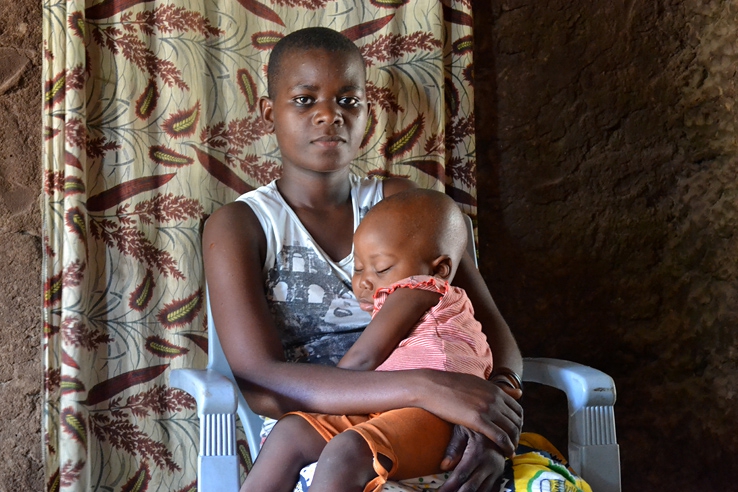
This journal article shares findings from a study to gain insights into the knowledge, attitudes and practices of youth around sexual health, as well as the barriers facing young people in accessing sexual reproductive health services (SRHS) in Mtwara district in Tanzania, which has the highest percentage in the country of teenage pregnancy. The study was conducted to serve as a baseline for the Voice of the Youth project implemented by the African Medical and Research Foundation (AMREF), which was designed to empower young girls in Mtwara region to demand, access, and utilise quality sexual reproductive health services.
The qualitative study was based on focus group discussions, facility assessment interviews, and case studies. The focus group discussions were conducted with in and out of school girls aged 10-18 years, as well as with community leaders, influential figures, and adults.
The following is a brief overview of some of the findings of the study which highlight existing knowledge, attitudes, and practices around SRH, as well as barriers faced by youth when wanting to access services:
- Lack of capacity and skills around youth friendly services as well as lack of equipment - None of the 38 facilities in Mtwara district has designated areas for provision of youth friendly services (YFS). SRH services offered included condom provision, contraceptives, and ante and post-natal care, but the health facilities (HF) lacked service providers with SRHR skills, as well as equipment that would ensure privacy such as bed examination screens and curtains. There was also a lack of information materials.
- Lack of knowledge on SRH - Most young girls age aged 10 to 18 do not have a place within their communities where they are able to visit and talk about relationships, sex, contraception, sexually transmitted infections, and HIV/AIDS. However, nearly every girl reported starting sexual intercourse between the age of 9 and 12.
- Attitudes to reproductive health - Community members and service providers think it is inappropriate for girls of age 10 to 18 to access SRHS, especially the family planning. Stigma and discrimination was also reported and confirmed by the adults and community members in focus groups.
- Practices on SRH - The research showed that sexual abuse often goes unreported, and even when reported the victim may not get support.
- Commercial sex - A large majority of girls reported that they had started having sexual intercourse either in exchange for money or food.
- Community socio-cultural practices - these contribute towards encouraging early marriage and discouraging girls' return to school after pregnancy. There are also many misconceptions about family planning, including the impact it may have on a girls future ability to become pregnant.
By-laws responsible to SRH - there is poor law enforcement around, for example, sexual abuse and assault, around laws against curtailing girls from returning to school after pregnancy, and against the showing of pornography at certain times and in certain places (shown to be a contributing factors leading youth to engage in risky sexual behaviours).
Based on these findings, the report concludes that there is a need to integrate youth friendly services in health facilities and to advocate for behaviour change at community level. It also recommends the following strategies when planning for and implementing SRHS: "improve HF's supply of equipments and tools, training service providers on YFS, distribute YFS information materials, revamp HFs mechanisms to enhance community support and promote enforcement of youth SRH related bylaws."
National Center for Biotechnology Information website on June 12 2014.