











































Examining Masculinities to Inform Gender-Transformative Violence Prevention Programs: Qualitative Findings From Rakai, Uganda
University of California Los Angeles (Park, Wagman); Columbia University (Wolfe); Rakai Health Sciences Program (Nalugoda, Nakyanjo, Ddaaki, Ssekyewa); Washington University (Stark)
"Despite increasing evidence that suggests gender-transformative interventions can reduce IPV, we have yet to fully discern which aspects of these interventions are effective at reducing IPV perpetration."
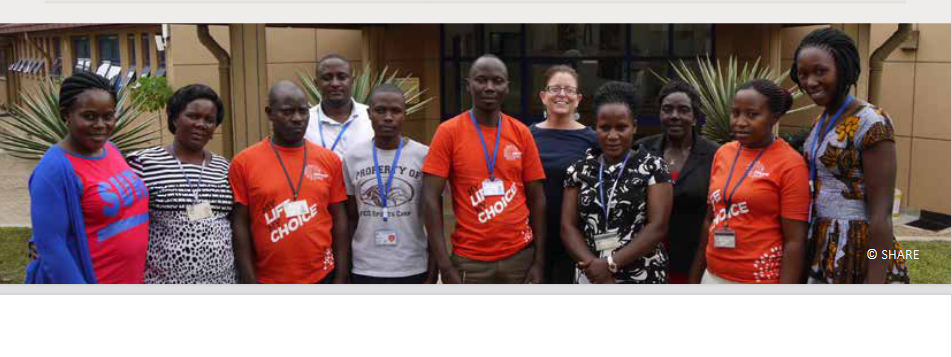
Male-perpetrated violence against women (VAW) and girls, particularly intimate partner violence (IPV), is associated with gender norms that promote male dominance and control. Gender-transformative interventions seek to transform gender constructs and norms to reduce IPV, increase gender equity, and improve health outcomes. One such programme is the Safe Homes and Respect for Everyone (SHARE) Project, which integrated an IPV prevention intervention with an existing HIV care, treatment, and prevention intervention in Rakai, Uganda. This study seeks to expand on lessons learned during the implementation and evaluation of SHARE by responding to gaps in knowledge of men's use of violence in relation to masculinity in Rakai.
The SHARE Project Trial (see Related Summaries, below) found significant associations between exposure to the SHARE intervention and decreased self-reported victimisation of physical and sexual IPV among women but no significant impact on men's self-reports of IPV perpetration. In an attempt to shed light on those findings, the researchers in the present study recruited participants (n=111) via the Rakai Health Sciences Program (RHSP)'s ongoing longitudinal Rakai Community Cohort Study. Between April and August 2017, the researchers conducted in-depth interviews (IDIs) with community members (male; n=38) to acquire information about participants' perceptions on masculinity, male gender norms surrounding sexual attitudes and behaviours, and the association of these norms and attitudes with IPV. Then, informed by topics and themes identified from the IDIs, they conducted focus group discussions (FGDs) with individuals (n=73) to gather community-level information.
The study's analytical framework defines masculinity as a set of behaviours that men are socially and culturally encouraged to perform. It is based on 2 constructs of masculinities: respectability and reputation. Respectability ideals include notions of getting married, fathering children and providing for them, being sexually faithful, respecting self and others, and working hard. Reputational ideals include having sexual prowess, fathering many children, showing physical strength, socialising with others, and spending money on leisure.
Overall, both men and boys in the study reported they were inspired to practice values aligned with attributes related to respectability, but they described how attributes related to reputation were desired among their male peer groups. Further, both masculine norms were associated with the justification of dominance over women and IPV perpetration in situations involving gendered power dynamics (e.g., sexual relationship, sexual fidelity, conflict resolution, and decision making between heterosexual partners).
More specifically, most participants narrated how they believed that their male peers (not them, personally) perceived having multiple, extramarital, sexual relationships to be masculine. The Luganda phrase "okutambula-tambula", which means walking, was brought up repeatedly in reference to married men who have sex with many women. The practice was revered as a masculine and sexually normative behaviour for men, but not for women. Men's multiple partnering was not only considered manly but also perceived by some to be fully rationalised, given the high social value placed on fertility and male virility.
Participants narrated how, around puberty, a boy should begin discussing and acting on his sexual desire for women, and it was frequently mentioned that a man must initiate sex. Some participants narrated how a "real man" can convince any woman to have sex with him, even if the woman initially denies a sexual relationship. The value placed on having many children was associated with a negative attitude toward condom use in marriage. In fact, condom use was typically deemed unacceptable unless it was being used to prevent HIV transmission.
Under the domain of VAW, participants - regardless of what masculinities they endorsed - expressed how violent behaviour could be justified to maintain men's control within their family and sexual relationships. Some men felt justified in using force or violence if one's wife refused sex or even considered it necessary when they felt that a wife was not meeting certain expectations placed on her. Alcohol consumption was often described as a trigger for physical and sexual violence, including IPV.
Because of the extended and strong presence of RHSP HIV prevention programmes in Rakai, condom use, circumcision, and HIV testing were often referred to as manly and requisite for healthy relationships. Most participants who expressed gender-equitable beliefs had participated in the 2014 "Stylish Man/Stylish Living" campaign, which aimed to demedicalise HIV prevention messaging and promoted healthy lifestyle choices. Thus: "While 2 dominant masculine norms existed in rural Rakai, young men and boys who already participated in gender-transformative programs challenged the existing beliefs, suggesting that some views have already shifted, and thus more can be done to transform these notoriously difficult to change social norms. Some young men and boys aged 15 to 24 years placed a value on gender-equitable behaviors in their relationships, such as open couple communication, nonviolent conflict resolution, and shared decision making."
Based on the findings, the researchers recommend that gender-transformative interventions should challenge existing masculine norms and incorporate multilevel approaches that target personal, interpersonal, communal, and societal levels of change:
- At the personal and interpersonal levels, safe spaces should be formed to allow men to discuss pressure and challenges caused by reputation and respectability, with the goal of empowering individuals to renegotiate and reconceptualise masculine norms. Such critical reflection on masculinity could serve as a basis to cultivate qualities related to communication, empathy, and respect.
- Community-level interventions should focus on shifting norms that promote violence, such as by identifying and involving men who do not believe violence is masculine as champions of change.
- At the societal level, policies should be made and revised to allow for shifts in societal norms that are intolerant of violence. Resources and manuals from existing gender-transformative interventions (e.g., Program H; One Man Can) could be used to support such shifts.
The researchers conclude by suggesting that the knowledge gleaned from this qualitative study could be applied to existing HIV testing, prevention, and care programmes. For instance, researchers and violence prevention programme managers in community-based HIV service programmes could incorporate a gender-transformative component designed for boys and men, with content focused on using condoms, being faithful, considering male circumcision, testing for HIV, enrolling or staying in care if HIV positive, treating partners with respect, and caring about health and well-being.
Global Health: Science and Practice January 2022, https://doi.org/10.9745/GHSP-D-21-00137. Image credit: © SHARE
- Log in to post comments