










































National Emergency Action Plan 2014 for Polio Eradication [Pakistan]
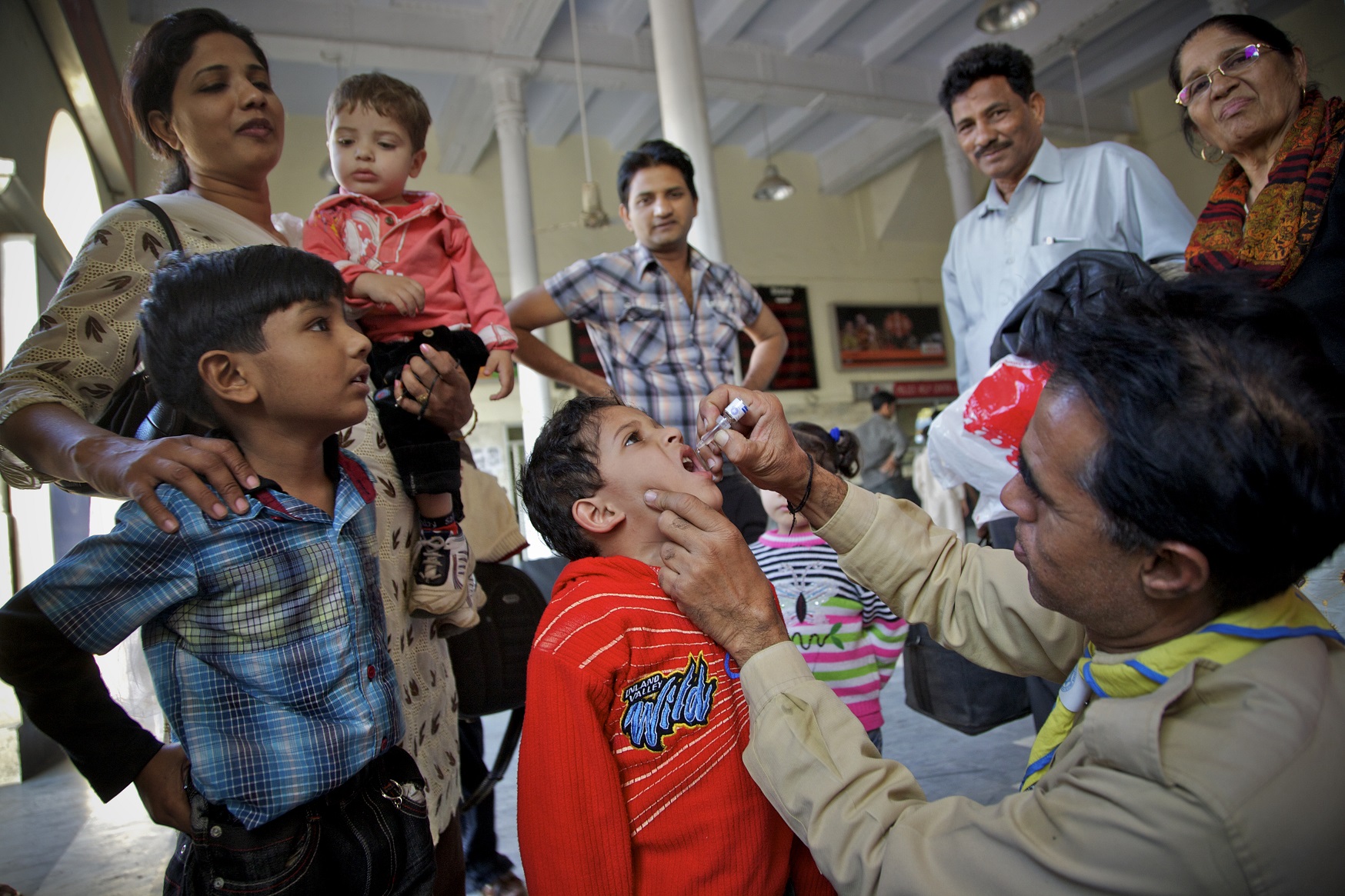
"Following the attacks on polio workers in December 2012 and in 2013, the overall aim of the communications programme has shifted towards positioning polio vaccination so that community, political and religious leaders view OPV as an essential trusted commodity."
This is one of the lessons learned as part of the Government of Islamic Republic of Pakistan's effort to eradicate polio from the country in 2013. The document reflects on the past and sets out a National Emergency Action Plan (NEAP) for 2014, with the aim of stopping wild poliovirus (WPV) transmission throughout Pakistan, focusing on the low transmission season (January - May) of the year.
The NEAP is shaped by the aforementioned attacks, which prompted a rapid re-adjustment of communication strategies and approaches. High-visibility oral polio vaccine (OPV) campaigns were replaced with low-profile communication activities that placed demand for polio vaccination within the broader context of demand for routine immunisation (RI) and other essential child health interventions. The polio eradication programme avoided promoting campaign dates and focused largely on direct engagement with communities and families. This new security situation presented several challenges, including communication challenges such as difficulties in maintaining high (>80%) awareness of the campaign and negative media coverage linking polio campaigns to outside conspiracy. Thus, the National Communication Technical Committee opted to adopt these principles: reorientation of communication activities towards awareness generation and demand creation for broader child immunisation and health goals; reframing of polio messages within the broader context of preventive health services for children and their well-being; shifting of communication activities from advertising and high-visibility campaigns to content integration and long-format programming; the building of social and professional platforms to drive the programme at the community level; and orienting the programme as a Pakistani-driven campaign with a strong local image.
Specific plans going forward are outlined - the ultimate goal being to build trust and demand amongst key communities to accept polio vaccination. It was hoped that, by December 2014, the National Communication Technical Committee, led by the Prime Minister's Monitoring and Coordination Cell, with the United Nations Children's Fund (UNICEF), the World Health Organization (WHO) and other partners, would report to the National Steering Committee on communication and social mobilisation strategy and decisions.
Noting that Peshawar is the key reservoir in the country, the plan includes an emphasis on the work of the Emergency Rapid Response Team (ERRT) from the Prime Minister's Polio Monitoring and Coordination Cell to support local teams in developing a strong communication strategy for the intensified supplementary immunisation activity (SIA) plan. The focus here was to be on fostering good community participation and strong security planning to enable polio teams to work effectively. To cite another example, in Federally Administered Tribal Areas (FATA), one of the plans involved fostering effective engagement with local law enforcement agencies, Frontier Constabulary, and military through the Polio Civil Military Coordination Committees at the regional, agency, and sub-agency level to oversee campaign operations and communications and to ensure protection of vaccinators. Sample activities planned: Conduct fortnightly review meetings with all political agents to facilitate access to all children of FATA and engage in dialogue with religious scholars to strengthen efforts to dispel misconceptions around the polio eradication programme and gain community trust.
End Polio Pakistan website, accessed on February 17 2015. Image credit: End Polio Pakistan
- Log in to post comments