










































The Polio Surveillance System
"Data is a powerful tool in the fight to eradicate polio."
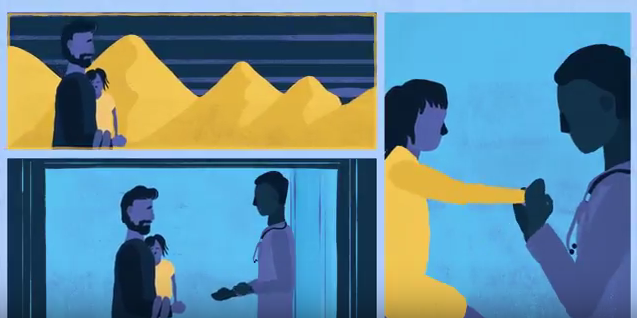
The search for the poliovirus is triggered when any child is found with acute flaccid paralysis - a sick child suddenly is unable to move her arm or leg due to muscle weakness. This video explores how, from the most remote communities to the laboratory, the World Health Organization (WHO) makes sure that the pieces of the surveillance system work together so that if the poliovirus is circulating anywhere in the world it will be found – and stopped.
Even in the most remote villages in the world, WHO works with teachers, clerics, pharmacists, traditional healers, and community leaders to teach them how to recognise and report any child with acute flaccid paralysis to the surveillance system (though not every case of acute flaccid paralysis is caused by polio). A stool sample is sent to one of the 146 WHO-accredited laboratories around the world for testing. Of the approximately 200,000 samples from people with paralysis that are tested every year, 99.9% come back negative; the tiny fraction of positive results tells the WHO where the virus is hiding. Epidemiologists gather to analyse the data that are collected, determining who is most at risk and what is the best way to stop the virus in carefully selected places. The idea is to stop the virus in the environment before it has a chance to paralyse a single child.
In more than 70 countries, the WHO helps to keep this surveillance system going. The extensive network of thousands of people is deemed essential to make sure that, if the virus crosses borders, it will be found and stopped. WHO points out that the benefits of this network stretch far beyond polio; it can be used to identify other diseases like Ebola, Zika, measles, and yellow fever.
Global Polio Eradication Initiative (GPEI) website, April 25 2017.
- Log in to post comments